Factory Automation Solutions are reshaping the landscape of modern manufacturing, ushering in an era of unprecedented efficiency and innovation. By integrating advanced technologies like robotics and artificial intelligence, companies are not only boosting productivity but also navigating the complexities of today’s fast-paced market.
This transformation isn’t just about machines taking over tasks; it’s about rethinking workflows and enhancing the capabilities of the workforce. As various industries adopt these solutions, the impact on employment and operational practices is profound, making it a vital topic for anyone interested in the future of manufacturing.
Factory Automation Solutions Overview
Factory automation represents a transformative shift in the manufacturing landscape, driving efficiency, consistency, and productivity across various sectors. By integrating advanced technologies, factories can streamline operations, reduce human error, and adapt to changing market demands. As industries evolve and competition intensifies, the significance of factory automation continues to grow, making it an essential component of modern manufacturing processes.The realm of factory automation encompasses a variety of technologies that collectively enhance operational capabilities.
Robotics plays a vital role, with machines capable of performing repetitive tasks with precision and speed. Coupled with artificial intelligence (AI), these systems can analyze data, learn from experiences, and optimize processes in real-time. Other technologies such as the Internet of Things (IoT), machine learning, and advanced sensor technologies also contribute significantly, creating a connected ecosystem where information flows seamlessly from machines to management systems.
Technologies in Factory Automation
A diverse array of technologies is involved in factory automation, each serving a unique purpose that contributes to overall efficiency. Understanding these technologies is crucial for manufacturers looking to implement or upgrade automation solutions.
- Robotics: Robots are used for assembly, welding, painting, and packaging. They offer unparalleled precision and can operate in hazardous environments without risk to human workers.
- Artificial Intelligence: AI systems analyze vast amounts of data to optimize production schedules and predictive maintenance, allowing for proactive rather than reactive decision-making.
- Internet of Things (IoT): IoT devices enable real-time monitoring of equipment and processes, providing insights that can lead to enhanced operational efficiency and reduced downtime.
- Machine Learning: By employing machine learning algorithms, manufacturers can improve their processes over time as the systems learn from collected data, enhancing efficiency and effectiveness.
- Advanced Sensors: Sensors help in monitoring parameters such as temperature, pressure, and motion, ensuring that machinery operates within optimal conditions and triggering alerts when anomalies are detected.
Benefits and Challenges of Implementing Automation
The adoption of factory automation solutions brings numerous benefits, but it also presents certain challenges that manufacturers must navigate. Understanding the balance between these aspects is crucial for informed decision-making.The advantages of factory automation include:
- Increased Productivity: Automation enables 24/7 operation without fatigue, significantly boosting production output.
- Consistency and Quality: Automated processes ensure uniformity in product quality, reducing variations and defects.
- Cost Efficiency: While the initial investment can be high, automation often leads to lower operational costs over time through reduced labor costs and minimized errors.
- Improved Safety: Automation can take over dangerous tasks, reducing workplace accidents and enhancing employee safety.
However, challenges also exist:
- High Initial Investment: The cost of implementing automated systems can be a barrier for many businesses, especially smaller manufacturers.
- Skill Gaps: The shift towards automated processes requires a workforce skilled in technology and robotics, necessitating training and potential recruitment challenges.
- Integration Issues: Existing systems may not always be compatible with new technologies, leading to potential disruptions during the transition phase.
- Dependence on Technology: Over-reliance on automated systems can lead to vulnerabilities in the event of system failures or cyber attacks.
As industries embrace factory automation, a well-planned approach can turn challenges into opportunities, ensuring smoother transitions and higher returns on investment.
Employment and Work in Factory Automation
The rise of factory automation is reshaping employment opportunities and workforce needs in the manufacturing sector. As factories increasingly adopt automation technologies, the nature of work is changing, leading to shifts in job availability and the skills required by today’s workforce. Understanding these changes is crucial for both employers and prospective employees in order to remain competitive in this evolving landscape.Factory automation streamlines processes, enhances productivity, and reduces operational costs, but it also raises important questions about job displacement and the future of work.
While some traditional jobs may be declining due to automation, new roles are emerging that focus on managing and maintaining these technologies. The impact of automation on employment is multifaceted; it not only influences the types of jobs available but also necessitates a shift in the skill sets required to thrive in this new environment.
Impact on Employment Opportunities
The introduction of automation in factories is leading to a transformation in employment opportunities. With machines and software handling repetitive tasks, there is a decline in demand for low-skill, manual labor jobs. Conversely, there is a growing need for skilled professionals who can work alongside these technologies. The following points highlight the impact of automation on employment:
- Job Displacement: Many routine jobs are becoming obsolete, leading to job losses in certain sectors.
- Emergence of New Roles: New positions focusing on automation management, robotics programming, and system integration are increasing.
- Upskilling and Reskilling: Workers need to acquire new skills to remain employable, leading to increased investment in training and education.
- Increased Demand for STEM Professionals: There is a rising need for individuals with expertise in science, technology, engineering, and mathematics.
Required Skills for Professionals
As automation technologies evolve, the skill set required for professionals in this field is also changing. Professionals working in factory automation must acquire a blend of technical and soft skills to be effective. Key skills include:
- Technical Proficiency: Knowledge of automation software, robotics, and control systems is essential.
- Data Analysis: Ability to analyze data generated by automated systems to make informed decisions.
- Problem-Solving: Strong analytical skills to troubleshoot and optimize automated processes.
- Communication: Ability to collaborate with diverse teams, including engineers, IT specialists, and production staff.
- Adaptability: Willingness to embrace new technologies and adapt to fast-paced changes in the industry.
Emerging Job Roles in Factory Automation
The advancements in factory automation are leading to the creation of various new job roles that did not exist a decade ago. These positions not only require technical knowledge but also a proactive approach to problem-solving and innovation.Examples of emerging job roles include:
- Automation Engineer: Focuses on designing and implementing automated systems to enhance efficiency.
- Robotics Technician: Maintains and repairs robotic systems used in manufacturing processes.
- Data Scientist: Analyzes data from production systems to improve operational performance.
- Cybersecurity Specialist: Protects automation networks and systems from cyber threats.
- AI Specialist: Develops and integrates artificial intelligence solutions into manufacturing processes.
Industrial Goods and Services Related to Factory Automation
In the realm of factory automation, a diverse array of industrial goods and services is crucial for establishing efficient production systems. This sector combines advanced technology with various hardware and software components to optimize processes, enhance productivity, and ensure seamless operations. Understanding these goods and services is essential for any organization looking to implement or improve their automation systems.Industrial goods play a vital role in the functionality and efficiency of factory automation setups.
They range from essential components such as sensors and control systems to more complex machinery that drives the automation processes. Here’s a look at some of the key industrial goods in this field:
Essential Industrial Goods for Factory Automation
The following items are integral to any factory automation setup, providing the necessary tools to streamline operations and ensure precision:
- Sensors: These devices are critical for detecting changes in the environment, including temperature, pressure, and motion, driving real-time decision-making in automated systems.
- Control Systems: These systems, such as PLCs (Programmable Logic Controllers), manage the operation of machinery and processes, ensuring they run smoothly and efficiently.
- Human-Machine Interfaces (HMIs): HMIs enable operators to interact with machines through user-friendly displays, providing critical information and control options.
- Robotic Systems: Automated robots execute repetitive tasks with high precision, increasing efficiency and reducing labor costs.
- Conveyors and Automated Guided Vehicles (AGVs): These systems transport materials and products within the factory, enhancing workflow and logistics.
- Actuators: Actuators convert energy into motion, playing a key role in moving parts of machines and controlling systems.
In addition to these essential goods, various services bolster the effectiveness of factory automation systems. These services ensure that the systems are well-maintained, optimized, and aligned with industry standards. Here’s an overview of the services that support factory automation:
Support Services for Factory Automation
Maintenance and consulting services are critical for maximizing the lifespan and performance of factory automation systems. Below are some key services:
- Preventive Maintenance: Regular maintenance checks help in early detection of potential issues, minimizing downtime and repair costs.
- Consulting Services: Experts provide tailored advice on automation strategies, helping companies select the right technologies and processes to suit their needs.
- System Integration: Integrating various components and systems ensures seamless communication and operation within the factory environment.
- Training and Support: Offering training for employees on new systems ensures that staff is well-equipped to utilize automation technologies effectively.
- Upgrade Services: Regular upgrades to software and hardware keep systems current with technological advancements and industry standards.
Several companies specialize in providing factory automation solutions across various sectors, showcasing innovative technologies and approaches. Here are some examples of notable players in this field:
Companies Specializing in Factory Automation Solutions
The following companies are recognized for their contributions to factory automation with diverse offerings tailored to different industries:
- Siemens: A global leader in automation and digitalization, Siemens provides comprehensive solutions ranging from sensors to control systems.
- Rockwell Automation: Known for its industrial automation products and services, Rockwell focuses on improving productivity and efficiency.
- ABB: This company excels in robotics and automation technologies, helping industries enhance operational performance.
- Fanuc: Specializing in robotics and CNC systems, Fanuc offers automation solutions that drive productivity in manufacturing.
- Omron: Omron provides a range of automation products, including sensors, controllers, and robotics, tailored for various applications.
Investing in the right industrial goods and support services can significantly enhance the efficiency and reliability of factory automation systems.
Management and Strategy in Factory Automation
The integration of factory automation into manufacturing processes represents a significant shift in how organizations operate. Effective management and strategic planning are critical in navigating these changes, ensuring that automation technologies are implemented successfully and sustainably. This section explores the strategies for managing change, the essential role of management in this process, and provides real-world case studies that demonstrate the impact of effective management in automation projects.
Strategies for Managing Change in Factory Automation
Managing change within organizations adopting factory automation requires a well-thought-out strategy that addresses both technical and human factors. Key strategies include:
- Stakeholder Engagement: Involving all stakeholders, including employees, management, and customers, early in the automation process fosters a culture of collaboration and transparency. This involvement helps in addressing concerns and gathering valuable insights that can shape implementation strategies.
- Training and Development: Providing comprehensive training programs ensures that employees are equipped with the skills necessary to operate and maintain new automated systems. Ongoing support and learning opportunities also aid in easing the transition.
- Incremental Implementation: Instead of a full-scale rollout, organizations can choose to implement automation gradually. This allows teams to adapt at a manageable pace, evaluate performance, and make adjustments as needed.
- Feedback Mechanisms: Establishing channels for feedback during and after implementation helps identify challenges and successes. This iterative approach enables continuous improvement and fosters a sense of ownership among employees.
Role of Management in Successful Implementation of Automation Technologies
Management plays a pivotal role in the successful implementation of automation technologies. Their responsibilities extend beyond overseeing technical aspects; they must also motivate and guide their teams through the transition. Essential management roles include:
- Vision and Direction: Leaders must articulate a clear vision for what automation will achieve for the organization. This vision should align with broader business goals and motivate the workforce.
- Resource Allocation: Ensuring that sufficient resources—both financial and human—are allocated to automation projects is crucial. This includes investing in technology as well as in training initiatives.
- Cultural Change Advocate: Management should promote a culture that embraces change and innovation. By being role models, leaders can inspire employees to adapt positively to new technologies.
- Risk Management: Identifying and managing risks associated with automation is essential. This involves evaluating potential impacts on production processes and workforce dynamics, allowing for proactive planning and mitigation.
Case Studies of Effective Management in Automation Projects
Several organizations have successfully implemented factory automation through effective management strategies. These case studies illustrate the importance of leadership in achieving automation goals:
- Boeing: The aerospace giant adopted a lean production approach alongside automation in its manufacturing processes. By engaging employees early and providing extensive training, Boeing was able to reduce production time significantly while maintaining quality standards.
- Ford Motor Company: Ford integrated robotics into its production lines, leading to increased efficiency. Management’s focus on employee involvement and feedback ensured a smoother transition, as workers were trained to work alongside robotic systems rather than against them.
- Siemens: In their Amberg plant, Siemens implemented a smart factory model, utilizing automation and data analytics. Effective management practices, including ongoing employee education and a culture of continuous improvement, led to a 40% increase in productivity.
Factory Automation in Publishing and Printing
Factory automation has significantly reshaped the publishing and printing industries, leading to increased efficiency, accuracy, and productivity. By integrating cutting-edge technologies, companies are now able to streamline their processes, reduce labor costs, and respond swiftly to market demands.The transformation brought by factory automation in these sectors is profound. Traditional methods of printing and publishing, which relied heavily on manual labor, have evolved into highly automated systems.
This shift not only enhances the speed of production but also improves the quality of the output. Automation technologies employed in printing processes include digital printing, robotic arms for material handling, and advanced workflow management systems.
Automation Technologies in Printing Processes
A variety of automation technologies are currently utilized to enhance efficiency in printing processes. They include:
- Digital Printing: This technology allows for direct printing from digital files, eliminating the need for traditional printing plates. It enables on-demand printing, reducing waste and inventory costs.
- Robotic Process Automation (RPA): RPA is used in various stages of the printing process, such as material handling and packaging. Robots can operate continuously, reducing human error and increasing throughput.
- Print Management Software: This software helps manage the entire printing workflow, from job submission to production monitoring. It optimizes resource allocation and minimizes downtime.
- Automated Quality Control Systems: These systems continuously monitor printed products for defects. Using advanced imaging technology, they ensure that only high-quality output proceeds to the next stage of production.
The integration of these technologies contributes to a seamless production line, allowing for faster turnaround times and more personalized print runs.
Case Studies of Successful Automation Implementations
Several publishing houses have successfully implemented factory automation, showcasing its benefits.
- Penguin Random House: This global publishing giant adopted automated order fulfillment systems that integrate with their inventory management. This allowed them to reduce order processing time by 50%, significantly improving customer satisfaction.
- Quad/Graphics: A major commercial printing services provider, Quad/Graphics implemented digital printing technology and automated finishing processes. This integration led to a 30% reduction in production costs and enabled them to offer more customized products.
- Shutterfly: A leader in personalized photo products, Shutterfly employs robotic systems for packing and sorting. This automation has improved their operational efficiency, allowing them to handle a larger volume of orders during peak seasons without compromising quality.
These examples illustrate how automation not only streamlines operations within publishing and printing but also enhances the ability to meet consumer demands efficiently. The shift toward automation is no longer a luxury but a necessity for companies looking to remain competitive in the fast-evolving market landscape.
Telecommunications and Factory Automation
The convergence of telecommunications advancements and factory automation has revolutionized the way manufacturing processes operate. With the rapid development of communication technologies, factories can now achieve unprecedented levels of efficiency, flexibility, and connectivity. This synergy not only enhances productivity but also drives innovation in manufacturing processes, ensuring they keep pace with the evolving demands of the market.Telecommunications advancements play a pivotal role in the integration and optimization of factory automation solutions.
These technologies enable real-time data transmission and communication across various systems within a factory, fostering a more responsive and agile manufacturing environment. The implementation of robust communication networks supports the seamless operation of automated machinery, allowing for improved monitoring and control of production processes.
Integration of IoT Technologies in Telecommunications Systems
The integration of Internet of Things (IoT) technologies in telecommunications systems has transformed factory automation. IoT devices collect and transmit data from machines, sensors, and other equipment, creating a network of interconnected systems that enhances operational visibility and decision-making capabilities. This interconnectedness facilitates various advantages, including:
- Real-time monitoring of equipment performance, enabling predictive maintenance and reducing downtime.
- Enhanced data analytics, allowing manufacturers to optimize processes and improve quality control.
- Automation of workflows, where machines communicate with each other to streamline production lines and minimize manual interventions.
The IoT applications in factory automation extend to telecommunications systems specifically, such as:
- Smart routers and gateways that efficiently manage network traffic and connectivity in a factory setting.
- Automated inventory management systems that track stock levels via RFID tags and sensors, communicating updates to enterprise resource planning (ERP) software in real time.
The introduction of these IoT capabilities has enabled factories to operate more intelligently, ensuring that every component works in harmony for optimal performance.
Operational Efficiency Improvements in Telecommunications Through Factory Automation
Factory automation significantly enhances operational efficiency within the telecommunications sector by streamlining processes, reducing errors, and increasing throughput. Automation technologies can manage vast quantities of data generated by telecommunications systems, ensuring accurate processing and timely responses to customer demands.For example, automated testing systems can conduct quality assurance checks on telecommunications equipment, such as routers and switches, with precision and speed that surpasses manual testing methods.
This not only ensures higher quality products but also expedites the time-to-market for new devices.Moreover, factory automation enables:
- Efficient resource allocation, where production schedules are dynamically adjusted based on real-time data availability and demand forecasts.
- Improved workforce safety, as automation takes over hazardous tasks, reducing the risk of accidents in manufacturing environments.
- Enhanced scalability, allowing factories to quickly adapt their operations to meet changing market conditions without significant disruptions.
These improvements lead to cost savings and increased profitability, as well as contributing to a more sustainable approach to manufacturing within the telecommunications industry. In summary, the interplay between telecommunications advancements and factory automation significantly reshapes manufacturing landscapes, enhancing operational efficiency and setting the stage for future innovations.
Textiles and Nonwovens Automation
Factory automation plays a significant role in the production of textiles and nonwoven materials. The integration of automated processes not only enhances efficiency but also improves quality and sustainability in textile manufacturing. The adoption of advanced technologies has transformed traditional practices, making the industry more competitive and environmentally friendly.Automation in textile and nonwoven material production involves various processes such as spinning, weaving, dyeing, and finishing.
These processes are often automated using sophisticated machinery that reduces human error and increases production speed. By implementing robotics, artificial intelligence, and the Internet of Things (IoT), manufacturers are able to optimize their operations, monitor quality in real-time, and reduce waste throughout the supply chain.
Technologies Enhancing Efficiency and Quality
Several advanced technologies are integral to improving efficiency and quality in textile manufacturing. Below are key technologies that are reshaping the industry:
- Robotic Automation: Robots are utilized for tasks such as material handling, cutting, and stitching, which minimizes the need for manual labor and increases precision.
- Computerized Knitting Machines: These machines allow for intricate designs and patterns to be created with high speed and accuracy, enhancing product variety and quality.
- Fabric Inspection Systems: Automated inspection systems use sensors and cameras to detect defects in fabrics, ensuring that only high-quality products move forward in the production line.
- Smart Fabric Production Technologies: Innovations like 3D knitting and weaving technology enable the creation of complex fabric structures, reducing waste and improving material efficiency.
- Data Analytics: By leveraging data analytics, manufacturers can optimize their production processes, predict maintenance needs, and analyze customer trends for better decision-making.
Environmental Benefits of Factory Automation
Adopting factory automation in the textile industry presents numerous environmental advantages. Automated processes contribute to the reduction of waste, energy consumption, and water usage. Here are some insights into the environmental benefits:
- Reduced Waste: Automation minimizes fabric wastage through precise cutting and efficient production planning, leading to less leftover material.
- Energy Efficiency: Automated systems are typically designed to operate more efficiently, consuming less energy compared to traditional methods, which helps lower the overall carbon footprint.
- Water Conservation: Innovations in dyeing technologies, such as closed-loop systems, significantly reduce water usage during the dyeing process, addressing a critical challenge in the textile industry.
- Recycling and Reuse: Automation facilitates the recycling of materials, making it easier to process and repurpose textiles, thereby reducing landfill contributions.
- Eco-Friendly Materials: The automation of production processes allows for greater experimentation with sustainable materials, promoting environmentally conscious manufacturing practices.
Business Creation and Development through Automation
In today’s rapidly evolving market, factory automation stands as a pivotal force driving innovation and development for startups. Entrepreneurs are increasingly recognizing that by integrating automated processes into their business models, they can streamline operations, reduce costs, and enhance product quality. Automation not only fosters efficiency but also opens new avenues for creative business strategies, ultimately giving startups a competitive edge in their respective industries.The integration of factory automation can significantly influence various aspects of business development.
By automating routine tasks, startups can focus on innovation, customer engagement, and strategic growth initiatives. However, there are several key factors that entrepreneurs must consider to effectively leverage automation within their operations.
Key Factors for Entrepreneurs to Consider
When integrating automation into business models, startups should evaluate several critical factors to maximize the benefits of their investment. Understanding these elements will help in crafting a strategy that aligns with their business goals.
- Scalability: Entrepreneurs should ensure that the chosen automation solutions can grow with their business. Scalable systems allow for adjustments in production capacity without significant overhauls.
- Cost-Effectiveness: Evaluating the return on investment (ROI) from automation solutions is crucial. Startups should analyze both initial costs and long-term savings to determine the financial viability of their automation plans.
- Technology Compatibility: Ensuring that new automation technologies integrate seamlessly with existing systems is vital. Compatibility minimizes disruptions and maximizes operational efficiency.
- Training and Support: Providing adequate training for employees to operate automated systems is essential. Support systems must also be in place to troubleshoot issues quickly, maintaining productivity.
- Market Demand: Understanding customer needs is key. Startups should explore how automation can enhance product quality or delivery speed to meet market demands effectively.
Successful startups have harnessed factory automation in innovative ways, showcasing its potential.
Success Stories of Startups Leveraging Factory Automation
Success stories abound where startups have embraced factory automation to fuel growth and innovation. These examples illustrate the tangible benefits that can result from thoughtful automation integration.
- Buffalo Wild Wings: This restaurant chain utilized automation in its supply chain to streamline inventory management. By adopting automated order processing and inventory tracking systems, Buffalo Wild Wings significantly reduced waste and improved efficiency in food preparation, thereby enhancing customer satisfaction.
- Blue River Technology: Known for its precision agriculture solutions, this startup uses machine learning and automation to revolutionize farming. Their technology allows farmers to optimize crop yields while minimizing resource usage, demonstrating significant advancements in agricultural practices.
- Fabrica: A fashion startup that turned to automated knitting machines to create custom apparel at scale. By integrating automation, they reduced production times while offering personalized products, thus appealing to a modern consumer base that values uniqueness.
These examples reflect the diverse applications of factory automation across industries, underscoring its role as a catalyst for innovation and efficiency. Entrepreneurs aiming to thrive in competitive landscapes should seriously consider the transformative power of automation in their business strategies.
Domestic Services and Automation
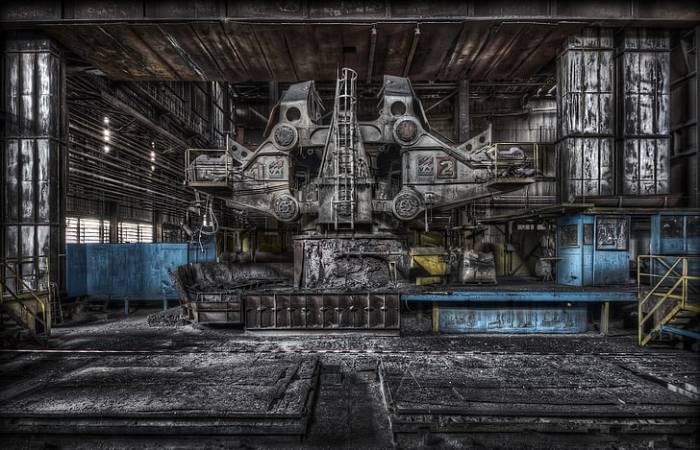
The integration of factory automation technologies into domestic service industries is transforming how services such as cleaning and maintenance are performed. By automating these processes, businesses can achieve greater efficiency, reduced labor costs, and improved service delivery. This shift not only benefits service providers but also enhances the overall customer experience in domestic environments.Automation plays a significant role in making domestic services more efficient and effective.
With the use of advanced technologies, tasks that once required significant manual labor are now being performed by intelligent systems, leading to quicker turnaround times and consistent quality of service. The adoption of these automated solutions has resulted in a noticeable improvement in customer satisfaction and operational productivity.
Automated Solutions in Domestic Services
Several innovative automated solutions have emerged, enhancing service delivery within domestic environments. These technologies optimize operations, reduce human error, and provide convenience to users. Here are some noteworthy examples:
- Robotic Vacuum Cleaners: Devices like Roomba have revolutionized home cleaning by autonomously navigating spaces, detecting dirt, and efficiently cleaning floors without human intervention.
- Smart Home Assistants: Devices such as Amazon Echo and Google Home control various home appliances, allowing users to manage tasks like scheduling cleaning or adjusting lighting with voice commands.
- Automated Lawn Mowers: Robotic lawn mowers like Husqvarna Automower maintain gardens by automatically mowing grass, making yard care less cumbersome.
- Remote Monitoring Systems: Smart cameras and sensors enable homeowners to monitor their property remotely, ensuring security and allowing for timely maintenance when issues arise.
- Dishwashing Robots: Automated dishwashers with advanced features not only clean but also sort and load dishes, significantly reducing time spent on kitchen chores.
The future of automation within domestic services is poised for substantial growth, driven by advancements in artificial intelligence and machine learning. These trends predict an increase in the sophistication of automated systems, enabling them to perform more complex tasks. For instance, future home automation systems may integrate seamlessly with various smart devices, creating a fully connected environment that anticipates and fulfills user needs.
“By 2030, it’s estimated that over 50% of household tasks could be performed by autonomous robots, allowing people more leisure time and less manual labor.”
This shift not only improves efficiency but also represents a significant change in how individuals interact with their living spaces. Enhanced data analytics may lead to predictive maintenance solutions, where domestic devices inform homeowners of potential issues before they arise, proactively managing maintenance tasks.As domestic services continue to evolve through automation, the potential for improved quality of life and operational efficiency becomes increasingly evident.
The integration of these technologies is not just beneficial for service providers but also creates a more convenient and enjoyable living environment for consumers.
Translation Services and Automation
The translation services industry has experienced a significant transformation through the advent of automation technologies. These advancements not only streamline processes but also enhance the quality and speed of translations, making them more accessible to a global audience.The integration of machine learning and artificial intelligence (AI) into translation services has been a game-changer. These technologies analyze vast amounts of linguistic data, enabling them to identify patterns and nuances in language use.
Consequently, they enhance translation accuracy and efficiency significantly. With the help of AI, translation tools can learn from previous translations, adapt to new contexts, and continuously improve their outputs.
Automation Technologies in Translation Services
Several key automation technologies have revolutionized the translation services field, providing tools that enhance productivity and accuracy. Here are some of the most impactful:
- Machine Translation (MT): This software automatically translates text from one language to another. Leading platforms include Google Translate and DeepL, which use neural networks to improve translation quality.
- Computer-Assisted Translation (CAT) tools: These tools assist translators by providing helpful resources like translation memory, glossaries, and terminology databases. Examples include SDL Trados and MemoQ.
- Translation Management Systems (TMS): TMS platforms like Smartling and Memsource allow for the management of translation projects, facilitating collaboration among teams and streamlining workflows.
- Speech Recognition and Synthesis: Tools such as Microsoft Azure Speech Services can transcribe spoken language into text and translate it, enabling real-time communication across languages.
The automation of these processes not only contributes to faster delivery times but also allows human translators to focus more on nuanced content and complex tasks, elevating the overall quality of translations.
Impact of Machine Learning and AI on Translation Accuracy
Machine learning and AI technologies have introduced significant improvements to translation accuracy and efficiency. By leveraging algorithms that can learn and adapt, these tools ensure that translations are not only grammatically correct but also contextually appropriate.
“AI’s ability to learn from vast datasets means it can provide translations that capture subtleties of meaning and style, which is crucial for effective communication.”
For instance, AI-driven translation engines can continuously improve through feedback loops, where user corrections inform future translations. This results in a more personalized and refined service that evolves with the user’s needs.
Examples of Automated Tools in Translation Services
The translation services industry relies heavily on a variety of automated tools that have become standard in the workflow of professional translators. Each tool serves a unique purpose to enhance the translation process:
- Google Translate: A well-known free service that uses AI to provide quick translations of text and websites in multiple languages.
- DeepL Translator: Renowned for its high-quality translations, DeepL employs advanced neural networks to understand context better than many competitors.
- SDL Trados Studio: A comprehensive CAT tool that enables translators to work more efficiently by storing translations in a memory for future use.
- MemoQ: Offers robust features for managing translation projects, including collaboration tools and terminology management.
These tools exemplify how automation has reshaped the translation landscape, allowing for faster, more accurate, and efficient language services that meet the demands of today’s globalized communication needs.
Automation in Clothes and Shoes Manufacturing
The integration of automation into the manufacturing of clothing and footwear has revolutionized the industry, streamlining processes and enhancing efficiency. By leveraging technology, manufacturers can produce high-quality products at a faster pace while minimizing human error. This shift not only improves productivity but also meets the growing demands of consumers for timely and customized products.Automation plays a crucial role in various stages of clothing and shoe manufacturing, from design to production and quality control.
Advanced machinery, robotics, and software systems are employed to enhance precision, reduce waste, and speed up production timelines. This technological evolution is paving the way for a more sustainable and responsive manufacturing ecosystem.
Technological Advancements Shaping the Future
Several technological advancements are driving change in the clothing and footwear manufacturing sectors. These innovations are not only improving operational efficiency but also enabling manufacturers to adapt to market trends rapidly. Key advancements include:
- 3D Printing: This technology allows for the rapid prototyping of designs, reducing material waste and enabling customization for consumers. Brands can create tailored products at a fraction of the cost and time.
- Robotics and Automation Systems: Automated sewing machines and robotic arms are increasingly being used to handle repetitive tasks, significantly speeding up the production process while maintaining high standards of quality.
- Artificial Intelligence: AI algorithms are being used to optimize supply chain management, predict fashion trends, and analyze consumer behavior, enabling brands to respond swiftly to market changes.
- Wearable Technology: Integration of smart textiles and wearable tech into the manufacturing process is changing the way clothing is designed, leading to innovative products that combine fashion with functionality.
Case Studies of Successful Integration
Several brands have successfully integrated automation into their production lines, demonstrating the potential benefits of these technologies. A few notable examples include:
- Adidas: The company has embraced automation with its SPEEDFACTORY concept, utilizing advanced robotics and digital technologies to produce shoes in a more localized and sustainable manner. This approach has led to reduced lead times and increased flexibility in design.
- Zara: Known for its fast-fashion model, Zara employs automated systems in its distribution centers, allowing for rapid replenishment of inventory and customization of products based on real-time data.
- Nike: Nike has invested heavily in automation and digital technologies to enhance its manufacturing capabilities. The brand has implemented robotic arms for stitching and automated cutting machines that allow for precision and efficiency in creating footwear.
The integration of automation in the clothing and shoe manufacturing industries is not just a trend but a significant shift towards a more efficient, responsive, and sustainable production landscape. These advancements will continue to shape the future of fashion, enabling brands to innovate while meeting the evolving needs of consumers.
Final Thoughts
In summary, Factory Automation Solutions are more than just technological advancements; they are key drivers of change in the industrial landscape. As we explore the benefits, challenges, and emerging job opportunities, it’s clear that embracing automation is essential for companies looking to thrive in an increasingly competitive environment.
FAQ Compilation
What is factory automation?
Factory automation refers to the use of control systems for operating equipment in manufacturing facilities, significantly enhancing efficiency and productivity.
How does factory automation impact employment?
While factory automation can reduce certain job roles, it also creates new opportunities that require advanced skills in technology and management.
What technologies are commonly used in factory automation?
Common technologies include robotics, AI, sensors, and control systems that enhance operational efficiency and productivity.
What industries benefit most from automation?
Industries such as manufacturing, textiles, telecommunications, and publishing have seen significant improvements through the implementation of factory automation.
How can small businesses leverage factory automation?
Small businesses can enhance efficiency and scalability by adopting automation technologies tailored to their specific processes and needs.