Heavy Machinery Rental is a booming sector that has captured the attention of businesses across various industries. With the rapid pace of technological advancements and increasing demand for temporary equipment usage, this industry is evolving at an impressive rate. If you’re curious about how this market operates, the key players involved, and the latest trends shaping its future, you’re in the right place!
From construction to manufacturing, the heavy machinery rental industry offers a plethora of opportunities, whether you’re looking to rent equipment for a large-scale project or exploring employment options within this field. Understanding the dynamics of this market can open doors to innovative business strategies and effective management practices.
Heavy Machinery Rental Industry Overview
The heavy machinery rental industry has experienced significant growth in recent years, driven by various market dynamics and evolving customer needs. As construction and infrastructure projects continue to expand globally, the demand for rental equipment has surged. This overview highlights current trends within the sector, the key players shaping the market, and the technological advancements that are transforming equipment rental services.
Current Trends in Heavy Machinery Rental
Several trends are influencing the heavy machinery rental sector. The shift towards sustainability and reduced carbon footprints is prompting companies to opt for rental over ownership. This approach not only lowers financial risks but also aligns with eco-friendly practices. Additionally, the rise of construction projects in emerging markets is boosting demand for rental services.
- Increased Flexibility: Rental services offer construction firms the flexibility to scale equipment usage based on project requirements.
- Focus on Cost Efficiency: Renting allows companies to avoid high upfront costs associated with purchasing equipment.
- Enhanced Availability: Many rental companies are expanding their fleets to ensure that a diverse range of machinery is readily available.
Key Players and Market Dynamics
The heavy machinery rental market is characterized by the presence of several prominent players who significantly influence its dynamics. Major companies like United Rentals, Sunbelt Rentals, and Ashtead Group dominate the sector, providing extensive fleets and services. Their strategies often focus on geographical expansion and mergers/acquisitions to strengthen their market positions.
“Market dynamics are shaped by competition, pricing strategies, and customer preferences, driving innovations in service delivery.”
- Competitive Pricing: Key players are engaging in competitive pricing strategies to attract clients, leading to potentially lower rental rates.
- Regional Growth: Emerging markets, particularly in Asia and Africa, are witnessing rapid expansion in the rental segment due to increasing infrastructure development.
- Service Diversification: Companies are diversifying their service offerings, including maintenance and logistics support, to enhance customer experience.
Impact of Technological Advancements on Equipment Rental Services
Technological innovations are reshaping the heavy machinery rental landscape. Digital platforms and mobile applications are streamlining the rental process, making it easier for contractors to access equipment. Smart technology, including telematics and IoT, is enhancing machinery efficiency and safety.
“The integration of technology in rental services increases operational efficiency and provides valuable data for equipment management.”
- Telematics: Equipment fitted with telematics provides real-time data on usage and performance, enabling proactive maintenance and improved safety.
- Online Rental Platforms: The rise of digital platforms allows customers to browse, reserve, and manage equipment rentals seamlessly from their devices.
- Virtual Training: Innovations such as virtual reality (VR) are being utilized for training operators, ensuring they are skilled in using complex machinery safely.
Employment and Work in Heavy Machinery Rental
The heavy machinery rental industry is a vital segment of the construction and engineering sectors, providing essential equipment to various projects. This field offers diverse employment opportunities, making it attractive for individuals seeking stable careers. Whether you’re behind the wheel of a bulldozer or working in the office managing rentals, there’s a role that fits a variety of skill sets and interests.Within the heavy machinery rental industry, there are numerous types of jobs available that cater to different skill levels and professional backgrounds.
The roles range from technical positions to administrative tasks, ensuring that every aspect of equipment rental and maintenance is covered. Here are some key job types:
Types of Jobs Available
Understanding the different roles in this industry helps potential employees identify where their skills might be best utilized. Below are some common positions found within the heavy machinery rental sector:
- Equipment Operators: These individuals are responsible for operating heavy machinery on job sites, such as excavators, loaders, and cranes. Operators must have relevant certifications and a good understanding of safety protocols.
- Maintenance Technicians: Technicians perform regular maintenance and repairs on rental equipment. They need a solid technical background and often require specific training in machinery repair.
- Rental Coordinators: These professionals manage the logistics of renting out equipment, including scheduling and customer service. Strong organizational skills and communication abilities are essential for this role.
- Sales Representatives: Sales staff work to promote rental services, explaining features and benefits to potential clients. This position requires a combination of sales skills and technical knowledge of the equipment.
- Logistics Personnel: These employees handle the transportation of heavy machinery to and from job sites. They must understand transportation regulations and have good planning skills.
Skills and Qualifications Necessary for Employment
To work effectively in the heavy machinery rental industry, individuals must possess specific skills and qualifications tailored to their roles. Here are some critical competencies that employers often seek:
- Technical Skills: For equipment operators and technicians, technical expertise is crucial. This includes knowledge of machinery operation, basic mechanics, and often, the ability to troubleshoot problems.
- Safety Awareness: Given the nature of the work, a strong understanding of safety standards and practices is mandatory. Many positions require certifications such as OSHA training.
- Communication Skills: Roles in sales and customer service necessitate excellent verbal and written communication skills to effectively engage with clients and team members.
- Organizational Skills: Positions such as rental coordinators and logistics personnel need solid organizational abilities to manage schedules, paperwork, and equipment availability.
- Problem-Solving Skills: Workers often face unexpected challenges that require quick thinking and effective solutions, making this a valuable trait in any role.
Challenges Faced by Workers in Heavy Machinery Rental
While the heavy machinery rental industry offers rewarding job opportunities, it also presents unique challenges that workers must navigate. Understanding these challenges is important for anyone considering a career in this field.
- Physical Demands: Many roles, particularly those involving operation or maintenance of machinery, can be physically demanding, requiring long hours and sometimes strenuous labor.
- Workplace Safety: The nature of heavy machinery work poses inherent risks, making safety a continuous concern. Workers must be vigilant and adhere to safety protocols at all times.
- Market Fluctuations: Employment can be affected by economic cycles, with demand for machinery rentals fluctuating based on construction activity and projects.
- Technical Complexity: As machinery becomes more advanced, the need for continuous education and training increases. Workers must stay updated on the latest technology and operational methods.
- Customer Expectations: Balancing customer demands with operational capabilities can be challenging. Maintaining high levels of customer service while managing equipment availability is crucial.
In the heavy machinery rental industry, adaptability and a strong safety mindset are key to success in overcoming challenges.
Business Creation and Development in Heavy Machinery Rental
Starting a heavy machinery rental business can be a lucrative venture, especially with the growing demand for construction and industrial equipment. This sector offers various opportunities, but establishing a successful rental service requires careful planning and execution. In this section, we will explore the necessary steps to launch your business, Artikel a comprehensive business plan, and provide effective strategies for marketing and customer acquisition within the industry.
Steps to Start a Heavy Machinery Rental Business
To successfully embark on your heavy machinery rental journey, follow these essential steps that lay the groundwork for your business operations:
1. Conduct Market Research
Analyze local demand, identify competitors, and assess the types of machinery in high demand.
2. Establish a Legal Structure
Choose a business format (LLC, corporation, etc.) that suits your needs and fulfill all registration requirements.
3. Create a Business Plan
Develop a detailed roadmap outlining your business objectives, target market, operational plan, and financial projections.
4. Secure Financing
Determine the startup costs, including machinery acquisition, insurance, and operational expenses, and explore financing options such as loans or investors.
5. Purchase Equipment
Acquire a diverse range of machinery that meets market demands, ensuring you have options for various projects.
6. Build Relationships with Suppliers
Establish connections with manufacturers or wholesalers to get favorable purchase terms and maintenance support.
7. Set Up Your Operations
Choose a suitable location for your business, set up an inventory management system, and establish efficient rental processes.
8. Obtain Insurance and Licenses
Protect your business with appropriate insurance policies and obtain necessary licenses to operate legally.
9. Develop Safety Protocols
Implement training and safety measures to ensure equipment is used properly and safely by your customers.
Comprehensive Business Plan for a Machinery Rental Service
A well-structured business plan is crucial for the success of a machinery rental service. Here’s a breakdown of key components that should be included:
Executive Summary
A concise overview of your business concept, mission statement, and goals.
Market Analysis
Insights into industry trends, target demographics, and competitor analysis.
Marketing Strategy
Artikel your approach for reaching customers, including pricing, promotion, and distribution channels.
Operational Plan
Description of day-to-day operations, equipment maintenance schedules, and staffing requirements.
Financial Projections
Detailed forecasts of income, expenses, and profit margins for at least three years.
Funding Requirements
Specify the amount of funding needed and potential sources. This plan not only serves as a guide for your business but is also essential for presenting to potential investors or lenders.
Strategies for Effective Marketing and Customer Acquisition
Marketing and acquiring customers in the heavy machinery rental sector require targeted strategies that resonate with your audience. Here are effective tactics to consider:
Online Presence
Build a professional website showcasing your available equipment, rental rates, and customer testimonials. Use strategies to enhance visibility in search engines.
Social Media Marketing
Utilize platforms like LinkedIn and Facebook to engage with potential customers, share industry news, and promote special rental deals.
Networking and Partnerships
Establish relationships with construction companies, contractors, and local businesses to create referral opportunities.
Content Marketing
Create valuable content such as blogs or videos that educate clients about equipment usage, safety tips, and industry trends to position yourself as an authority.
Customer Incentives
Offer promotions, loyalty programs, or discounts for long-term rentals to attract and retain customers.
Trade Shows and Events
Participate in industry-specific events to showcase your machinery and connect with potential clients directly.
Email Marketing Campaigns
Utilize newsletters to keep customers informed about new inventory, special offers, and industry news.By implementing these strategies, you can effectively market your heavy machinery rental business and foster long-term relationships with clients, ensuring a steady stream of revenue.
Management Practices in Heavy Machinery Rental
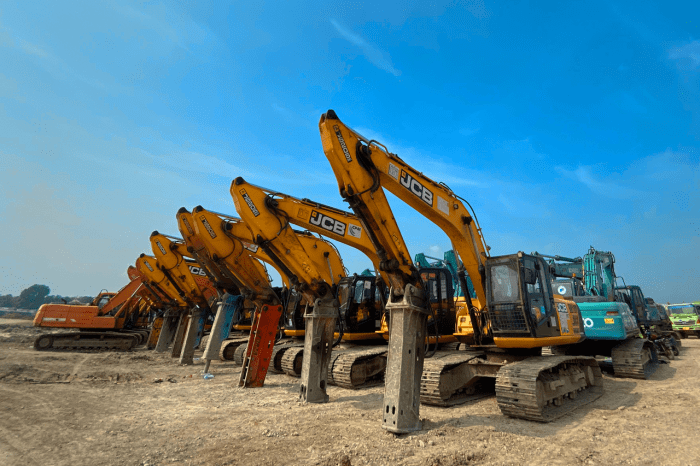
Efficient management practices are essential for success in the heavy machinery rental industry. Effective inventory management, equipment maintenance, and customer service are critical components that contribute to the overall performance and reputation of rental businesses. By implementing best practices in these areas, companies can enhance operational efficiency, ensure equipment reliability, and foster strong customer relationships.
Inventory Management of Rental Equipment
Maintaining an organized and efficient inventory system for rental equipment is crucial. Proper inventory management minimizes downtime and maximizes equipment availability for customers. Here are key practices to consider:
- Utilize Inventory Management Software: Implementing technology solutions allows for real-time tracking of equipment, rental history, and maintenance schedules, ensuring accurate inventory counts.
- Regular Audits: Conduct periodic physical audits of inventory to reconcile actual equipment availability with records. This helps identify discrepancies and address them promptly.
- Forecasting Demand: Analyzing historical data and seasonal trends can help predict equipment demand, enabling proactive purchasing and rental strategies to meet customer needs.
- Standardized Processes: Establish clear procedures for receiving, inspecting, and returning equipment. Standardization promotes consistency and reduces errors.
Equipment Maintenance Techniques
Regular maintenance of equipment is vital for ensuring reliability and safety in heavy machinery operations. Adopting a comprehensive maintenance strategy can significantly extend the lifespan of the equipment. Key maintenance practices include:
- Scheduled Maintenance: Implement a routine maintenance schedule based on usage and manufacturer recommendations. This includes oil changes, filter replacements, and safety inspections.
- Daily Inspections: Encourage operators to perform daily pre-operation checks, looking for signs of wear and tear, leaks, or other potential issues that could affect safety and performance.
- Record Keeping: Maintain detailed logs of maintenance activities, repairs, and inspections. This documentation is essential for tracking equipment history and can aid in audits or resale.
- Training Programs: Provide training for operators on proper equipment handling and maintenance practices to reduce the likelihood of misuse and damage.
Importance of Customer Service
Customer service is a key differentiator in the heavy machinery rental industry. Exceptional service can lead to repeat business and referrals, significantly impacting profitability. Here are several aspects that highlight the importance of customer service:
- Responsive Communication: Promptly addressing customer inquiries and concerns fosters trust and satisfaction. Timely communication can often resolve issues before they escalate.
- Personalized Service: Understanding the specific needs of each customer allows for tailored solutions and recommendations, enhancing the overall customer experience.
- After-Sales Support: Providing ongoing support after the rental period, such as assistance with equipment operation or troubleshooting, strengthens customer relationships.
- Feedback Mechanisms: Actively seeking and acting on customer feedback helps identify areas for improvement and demonstrates a commitment to customer satisfaction.
Industrial Goods and Services in Heavy Machinery Rental
The heavy machinery rental industry provides a vital service to various sectors, offering equipment that is essential for construction, manufacturing, and other industrial applications. Businesses often require specialized machinery for limited timeframes, making rental options an attractive alternative to outright purchases. This segment explores the diverse types of machinery available for rental, compares the advantages of renting versus buying, and highlights the specific benefits that rental services deliver to construction and manufacturing enterprises.
Types of Machinery Available for Rental
Heavy machinery rental services offer a broad range of equipment tailored to meet the needs of various industries. The types of machinery typically available include:
- Excavators: Used for digging, demolishing, and site preparation, these machines are pivotal in construction projects.
- Bulldozers: Essential for moving large amounts of earth and grading surfaces, bulldozers are a staple on construction sites.
- Loaders: Front-end loaders are utilized for loading materials onto trucks, while backhoe loaders combine the functions of a loader and an excavator.
- Crane Rentals: Cranes facilitate lifting and moving heavy materials vertically and horizontally, crucial for high-rise construction.
- Forklifts: These are vital for material handling in warehouses and construction sites, providing efficient lifting and transporting capabilities.
- Compactors: Used to compact soil and asphalt, these machines ensure a solid foundation for construction projects.
- Scissor Lifts and Boom Lifts: These types of elevating equipment are essential for accessing high areas safely during construction and maintenance tasks.
Rental Versus Purchase Options
When considering machinery acquisition, businesses face a critical decision: whether to rent or purchase equipment. Each option presents distinct advantages and drawbacks based on financial and operational needs.Renting heavy machinery allows companies to:
- Reduce initial capital expenditure: Renting eliminates the need for a large upfront investment, freeing up cash flow for other operational needs.
- Access the latest technology: Rental companies often update their fleets regularly, enabling businesses to use the most advanced and efficient equipment.
- Avoid maintenance costs: Rental agreements typically include maintenance and repair services, reducing the burden on companies to manage these expenses.
- Flexibility: Rentals provide the ability to scale equipment usage based on project needs, ensuring that companies only pay for what they use.
Conversely, purchasing machinery may be more beneficial for long-term projects or companies with consistent equipment needs, as ownership allows for complete control over usage and potential resale value.
Benefits of Using Rental Services for Businesses in Construction and Manufacturing
Engaging with heavy machinery rental services offers numerous advantages for construction and manufacturing companies. The flexibility and economic benefits are considerable factors in this choice.Key benefits include:
- Cost Efficiency: Rentals can significantly lower project costs, particularly for short-term needs, as businesses can allocate resources to other areas.
- Increased Productivity: With access to a variety of machinery, companies can optimize their operations, ensuring they have the right equipment for specific tasks.
- Minimized Downtime: Rental services often provide quick delivery and pick-up, reducing idle time and maintaining productivity on site.
- Expert Support: Many rental companies offer technical assistance and training, ensuring that employees can operate machinery safely and effectively.
In conclusion, the heavy machinery rental industry plays an integral role in supporting various industrial sectors. By providing easy access to essential equipment, rental services enhance operational efficiency, cost-effectiveness, and overall project success.
Telecommunications and Heavy Machinery Rental
Telecommunications technology plays a vital role in transforming the heavy machinery rental industry. With the integration of advanced communication tools and systems, rental companies can optimize operations, improve customer service, and ensure the efficient management of equipment. The connectivity provided by telecommunications enables real-time data sharing and decision-making that enhances overall productivity.The integration of telecommunications in heavy machinery rental services streamlines various processes, improving efficiency and reducing downtime.
Equipment rental companies can leverage telecommunications to facilitate communication between field workers, rental offices, and clients. This ensures that all stakeholders have access to up-to-date information regarding equipment availability, rental agreements, and maintenance schedules. Furthermore, the use of cloud-based platforms allows for seamless sharing of data and documentation, which is crucial for efficient operation.
Role of GPS and Tracking Technologies in Equipment Management
GPS and tracking technologies are fundamental in managing heavy machinery rentals effectively. These tools provide not only location tracking but also vital data that assists in monitoring the performance and usage of equipment. By implementing GPS systems, rental companies can enhance asset utilization and ensure timely maintenance, thus minimizing operational costs.The advantages of GPS and tracking technologies in machinery rental include:
- Real-time Location Tracking: Companies can monitor the exact location of their equipment, reducing the risk of theft and ensuring timely returns.
- Utilization Reports: Tracking systems provide insights into equipment usage, helping businesses to optimize rental fleets and increase revenue.
- Maintenance Alerts: GPS systems can trigger alerts for scheduled maintenance based on usage data, preventing unexpected breakdowns and extending equipment life.
- Operational Efficiency: Real-time data allows for better resource allocation, ensuring that equipment is available where and when it is needed.
Software Solutions that Facilitate Rental Operations
Numerous software solutions have emerged that cater specifically to the needs of heavy machinery rental businesses. These tools streamline processes from inventory management to customer relationship management, empowering companies to operate more efficiently.Key software solutions enhancing machinery rental operations include:
- Rental Management Systems: Platforms such as Point of Rental and Rentman help manage inventory, track rentals, and handle billing and invoicing seamlessly.
- Asset Tracking Software: Tools like EquipmentWatch provide essential insights into the usage and maintenance of machinery, ensuring optimal uptime.
- Customer Relationship Management (CRM): Systems like Salesforce or Zoho assist rental companies in managing customer interactions, improving service delivery and client satisfaction.
- Telematics Solutions: Companies such as Verizon Connect and Geotab offer telematics services that combine GPS tracking with performance data, enhancing overall fleet management.
Publishing and Printing in Heavy Machinery Rental
In the heavy machinery rental industry, effective communication through publishing and printing plays a crucial role in reaching potential clients and maintaining relationships with current customers. This sector relies on industry-specific publications and marketing materials to convey essential information about services, safety standards, and equipment capabilities.Key publications and resources serve as valuable tools for professionals. Staying updated with these resources can help businesses identify trends, learn about best practices, and gain insights into customer needs.
Here are some noteworthy publications and platforms relevant to the heavy machinery rental sector:
Key Publications and Resources
The following publications are instrumental for professionals in the heavy machinery rental industry. They provide critical insights, market trends, and operational strategies:
- Construction Equipment Magazine: This publication focuses on the latest machinery innovations and market analysis, providing rental companies with a comprehensive view of industry developments.
- Rental Equipment Register (RER): A leading source for industry news, RER covers rental trends, company profiles, and equipment performance reviews.
- National Association of Rental Professionals (NARPM): NARPM offers resources, training programs, and events aimed at enhancing business practices within the rental industry.
- Heavy Equipment Guide: This magazine features equipment reviews, industry news, and case studies that are beneficial for rental companies looking to stay competitive.
- Trade Shows and Conferences: Events such as The ARA Show and CONEXPO-CON/AGG provide networking opportunities and access to the latest innovations in machinery and rental services.
Marketing materials are vital in promoting rental services. They encompass a wide range of content types, including brochures, flyers, and digital assets that can capture the attention of prospective clients. The effectiveness of these materials hinges on their ability to convey value and differentiate the rental services from competitors.
Role of Marketing Materials
Creating impactful marketing materials is essential for attracting clients and showcasing the offerings of a heavy machinery rental business. Here are key elements to consider when developing these materials:
- Clear Messaging: Articulate the benefits of renting machinery versus purchasing it outright. Highlight cost savings, flexibility, and access to the latest technology.
- Visual Appeal: Use high-quality images of equipment in action, showcasing its capabilities on job sites. Engaging visuals can significantly enhance the attractiveness of printed materials.
- Client Testimonials: Incorporating success stories and reviews from satisfied customers can build trust and credibility.
- Call to Action: Clearly state the next steps for interested clients, such as contacting for a quote or visiting the website for more information.
- Safety Information: Including safety guidelines and operational tips can position the company as a responsible and knowledgeable provider.
Content creation targeting rental business clients requires a strategic approach to ensure relevance and engagement. A comprehensive guide can streamline this process and enhance the effectiveness of communication efforts.
Guide for Effective Content Creation
Developing content for the heavy machinery rental sector should focus on the needs and interests of the target audience. Below are essential steps for creating effective content:
- Identify Target Audience: Understand the demographics and preferences of the clients you want to reach. Tailor content to address their specific needs and pain points.
- Utilize Best Practices: Optimize content for search engines by using relevant s related to heavy machinery rental. This increases visibility and attracts organic traffic.
- Content Types: Diversify content formats by creating blogs, infographics, case studies, and videos. Each format can appeal to different segments of your audience.
- Provide Value: Focus on informative and educational content that helps clients solve problems or make informed decisions about equipment rental.
- Engage with Clients: Use social media platforms to foster interaction and gather feedback. Responding to questions and comments can enhance customer relationships.
Domestic Services and Heavy Machinery Rental
Heavy machinery rental plays a pivotal role in enhancing domestic services, particularly for home improvement and landscaping endeavors. The convenience of renting machinery allows homeowners and service providers to tackle projects effectively without the burden of purchasing expensive equipment. This has led to a significant shift in how domestic tasks are approached, making them more accessible and efficient.The rise of DIY projects has also contributed to the growing trend of utilizing rented equipment.
People are increasingly inclined to take on home improvement tasks themselves, whether it’s remodeling a kitchen or constructing a deck. This has resulted in a higher demand for rental services that can offer a wide range of machinery suited for various projects, from excavators to power tools.
Benefits of Heavy Machinery Rental for Home Improvement Services
Renting heavy machinery can significantly enhance the capabilities of home improvement services. This approach provides several key advantages:
- Cost-Effectiveness: Renting eliminates the need for a large upfront investment in machinery, allowing homeowners to allocate funds towards materials and labor instead.
- Access to Advanced Equipment: Rental services often provide the latest models and technology, enabling projects to be completed more efficiently and with better results.
- Flexibility: Rental agreements can be tailored to the duration of a project, ensuring that equipment is available only when needed.
- Maintenance and Support: Rental companies typically offer maintenance services, which means users can focus on their projects without worrying about equipment upkeep.
Growing Trend of DIY Projects Utilizing Rented Equipment
The DIY movement has gained momentum in recent years, with many homeowners eager to undertake projects themselves. This trend is supported by:
- Information Accessibility: Online resources and tutorial videos make it easier for individuals to learn how to use heavy machinery for their projects.
- Increased Confidence: With availability of rented tools, homeowners feel empowered to tackle larger projects that were once thought to require professional help.
- Community Sharing: Some neighborhoods have started equipment-sharing programs, facilitating access to rented machinery while promoting community collaboration.
Support for Landscaping and Gardening Businesses
Heavy machinery rental services play a critical role in supporting landscaping and gardening businesses by providing the necessary tools for larger projects. The benefits include:
- Enhanced Productivity: Access to equipment like skid steers and trenchers allows landscapers to complete jobs more quickly and efficiently.
- Scalability: Seasonal demands can be met without the commitment of purchasing machinery, enabling businesses to scale operations up or down as needed.
- Specialized Tools: Rental services offer a variety of specialized equipment that may not be practical for purchase, allowing businesses to take on diverse projects with ease.
Translation Services in Heavy Machinery Rental
In the heavy machinery rental industry, effective communication across languages is crucial for successful operations, especially for multinational companies. Translation services bridge the linguistic gap, ensuring that all parties involved understand the terms of agreements, equipment specifications, and safety protocols. Such services not only enhance customer relations but also mitigate legal risks associated with miscommunication.Translation services play a pivotal role in various aspects of heavy machinery rental operations.
By providing accurate translations of rental agreements, technical manuals, and safety guidelines, these services help multinational companies operate seamlessly across different markets. This is especially important in a diverse industry where stakeholders from various cultural backgrounds need to collaborate effectively.
Impact of Translation in Rental Agreements
Clear communication in rental agreements is essential to avoid misunderstandings and potential disputes. Translating these documents ensures that all terms, conditions, and responsibilities are understood by all parties, regardless of their native language. For example, a company operating in both Europe and Asia must ensure that rental contracts are accurately translated to avoid any legal complications. An overview of how translation services enhance rental agreements includes:
- Reduction of legal risks by ensuring accurate terminology.
- Facilitation of smoother negotiations by providing clarity on all terms.
- Building trust with clients through transparent and straightforward communication.
Demand for Translation in Equipment Manuals and Safety Guidelines
The demand for translation services extends significantly to equipment manuals and safety guidelines, which are critical for the safe operation of heavy machinery. Properly translated manuals help operators understand machinery functions, maintenance procedures, and troubleshooting steps, thereby enhancing operational safety and efficiency.Important factors regarding the translation of equipment manuals include:
- Ensuring compliance with local regulations and safety standards.
- Providing clear instructions in multiple languages to accommodate diverse operator backgrounds.
- Assisting in training programs by offering translated training materials, enhancing understanding and retention.
“Clear communication in technical documents is not just beneficial; it’s a necessity in maintaining safety and efficiency in operations.”
Furthermore, localizing safety guidelines is essential for preventing accidents and ensuring that all workers are aware of the hazards associated with specific machinery. This not only protects employees but also helps companies avoid costly liability issues.Overall, the role of translation services in heavy machinery rental cannot be overstated. By ensuring that all documentation is accurately translated and easily understood, companies can operate more effectively on a global scale, fostering safer environments and stronger relationships with clients and partners.
Textiles and Nonwovens in Heavy Machinery Rental
The textiles industry relies heavily on advanced machinery for production processes, and many manufacturers prefer to rent specialized equipment to meet their fluctuating demands. Heavy machinery rental offers a flexible solution for textile companies, allowing them to access high-quality equipment without the long-term commitments of ownership.In the realm of textiles, specific types of machinery are essential for various stages of production, from weaving to finishing.
Seasonal demand patterns significantly impact the rental market, with peak periods often coinciding with fashion cycles and increased production needs. Understanding these patterns helps manufacturers strategize their equipment rental effectively.
Specialized Machinery for Textile Production
Several specialized machines are crucial for textile production, and they are often available for rent. These machines enhance efficiency and quality in manufacturing processes. Examples of machinery that textile manufacturers can rent include:
- Weaving Machines: These machines are integral for transforming yarn into fabric. Different types are available, including Jacquard, shuttleless, and automatic looms.
- Knitting Machines: Used for producing knitted fabrics, these machines vary widely in design, from circular to flatbed knitting machines.
- Dyeing Machines: Essential for adding color and patterns, dyeing machines can accommodate various fabric types and dyeing techniques.
- Finishing Equipment: This includes machines for cleaning, shrinking, and setting the fabric, ensuring it meets quality standards before reaching the market.
- Cutting Machines: Automated cutters and lasers are pivotal in accurately cutting fabrics to design specifications, minimizing waste.
The choice of machinery often depends on the specific needs of the textile production process, and renting allows companies to select equipment tailored to their current projects.
Seasonal Demand Patterns for Rental Equipment
The textile industry experiences notable seasonal fluctuations in demand, largely driven by fashion trends and production cycles. For instance, the lead-up to major fashion seasons, such as Spring/Summer and Fall/Winter, sees a surge in demand for machinery. Manufacturers typically ramp up production several months ahead of these seasons, which can lead to increased rentals of machinery.Understanding these patterns is crucial for effective inventory management and equipment rental planning.
During off-peak times, manufacturers may choose to downsize their machinery needs, opting for flexible rental agreements to avoid the costs associated with owning equipment that is not in constant use. In summary, recognizing the cyclical nature of demand in textile production enables manufacturers to optimize their rental strategies, ensuring they have the necessary machinery on hand when needed without incurring unnecessary costs during slower periods.
Guide on Renting Machinery for Textile Manufacturers
For textile manufacturers considering machinery rental, here’s a concise guide to facilitate the process:
1. Assess Production Needs
Identify the specific machinery required based on upcoming production demands, taking into account seasonal variations.
2. Research Rental Companies
Look for reputable rental companies that specialize in textile machinery, ensuring they offer the types of equipment needed.
3. Evaluate Rental Terms
Understand the rental agreements thoroughly, including duration, costs, maintenance responsibilities, and terms for extension or return.
4. Inspect Equipment
Prior to rental, conduct a thorough inspection of the machinery to ensure it meets quality and performance standards.
5. Plan for Delivery and Setup
Coordinate logistics for the delivery and setup of equipment, ensuring minimal disruption to production schedules.This guide serves as a framework for textile manufacturers to navigate the rental landscape effectively, ensuring they can respond flexibly to market demands while maintaining production efficiency.
Clothes and Shoes
The heavy machinery rental industry plays a pivotal role in the textile and footwear manufacturing sectors. By providing access to specialized equipment without the financial burden of purchasing machinery, businesses can enhance productivity, improve product quality, and respond quickly to market demands. This collaboration between heavy machinery rental and fashion manufacturing fosters innovation and efficiency.Heavy machinery rental significantly aids in the manufacturing process of textiles and footwear by supplying essential equipment that streamlines production.
For example, advanced cutting machines, fabric spreaders, and industrial sewing machines are crucial for creating high-quality garments and shoes. These machines, often costly to purchase outright, can be rented, allowing manufacturers to utilize the latest technology without a hefty investment. Moreover, heavy machinery rental supports manufacturers in scaling operations as needed, especially during high-demand periods, which is vital in the fast-paced fashion industry.
Machinery Used for Apparel Production
Several types of machinery are specifically designed for apparel production, and renting these can greatly benefit manufacturers looking to optimize production processes. Here are some key examples:
- Industrial Sewing Machines: These machines are essential for sewing fabrics together, offering various specialized functions such as overlocking, embroidery, and buttonhole making. Renting allows manufacturers to access the latest models that improve speed and precision.
- Fabric Cutting Machines: Automated cutting machines ensure consistent and precise fabric cuts, which are crucial for maintaining quality across large volumes. Rental options enable users to leverage cutting-edge technology without long-term commitments.
- Heat Press Machines: These machines are used for applying designs and prints onto fabrics and are often needed in bulk during peak seasons. Renting provides flexibility to meet fluctuating demand.
- Laser Engraving Machines: Used for intricate designs and patterns, these machines enhance creativity in fashion design. Renting these units can be particularly beneficial for smaller companies looking to experiment without significant capital investment.
The relationship between construction projects and retail environments within the fashion industry is also noteworthy. As retail spaces evolve, particularly with the rise of experiential shopping, construction projects aim to create innovative retail environments that attract customers. Here, heavy machinery rental comes into play, aiding in the construction of retail stores that feature unique architectural designs, making them visually appealing and, therefore, enhancing the shopping experience.
This synergy between construction and retail is essential for fashion brands looking to stand out in a competitive market.In summary, the heavy machinery rental industry not only supports the production of textiles and footwear but also interlinks with the broader retail environment, contributing to the overall growth and dynamism of the fashion sector. With the flexibility and access to advanced technology provided through rental services, manufacturers can adapt to changing trends and consumer demands with ease.
Last Word
In summary, Heavy Machinery Rental is not just about equipment; it’s a gateway to growth, efficiency, and innovation for many businesses. As we navigate through trends, employment opportunities, and management techniques, it becomes clear that this industry is poised for continued expansion. Whether you’re a business owner, an employee, or simply curious about the field, there’s a wealth of knowledge to explore that highlights the significance and versatility of heavy machinery rentals.
Helpful Answers
What types of machinery are commonly rented?
Commonly rented machinery includes excavators, bulldozers, cranes, and forklifts.
How can I determine if renting machinery is more economical than purchasing?
Consider the duration of use, maintenance costs, and depreciation; often, renting is cost-effective for short-term needs.
What is the process for renting heavy machinery?
The process typically involves selecting the equipment, negotiating rental terms, and signing a rental agreement.
Are there any insurance requirements for rented heavy machinery?
Yes, most rental companies require insurance to cover potential damages or accidents during use.
How do technological advancements impact machinery rental?
Technological advancements improve efficiency in tracking, maintenance, and managing rentals, enhancing overall service delivery.