Flooring installation is more than just laying down some boards; it’s an art and a science that transforms spaces. Whether you’re looking to renovate your home or start a flooring business, understanding the nuances of the installation process is crucial. From selecting the right materials to mastering the necessary skills, this guide will walk you through everything you need to know.
We’ll explore the various types of flooring materials, the essential tools for the job, and the steps involved from preparation to completion. Plus, we’ll touch on career opportunities and business strategies to help you thrive in the flooring industry.
Flooring Installation Overview
Flooring installation is a detailed process that transforms a space using various materials tailored to specific needs. This overview covers the steps involved in flooring installation, from initial preparation to the final touches, ensuring a smooth and efficient workflow. Understanding the materials and tools required enhances the quality and durability of the installation.The flooring installation process begins with preparation, which includes measuring the space, selecting the appropriate flooring materials, and ensuring the subfloor is clean and level.
Once the preparation is complete, the installation can proceed, typically involving the following key steps: laying out the flooring, cutting pieces as necessary, and securing them in place. The task concludes with final touches like baseboards and transitions to provide a polished look.
Common Flooring Materials and Their Characteristics
Choosing the right flooring material is essential for both functionality and aesthetics. Different materials offer various characteristics, benefits, and challenges. Here’s a look at some common flooring materials and their features:
- Hardwood: Known for its durability and timeless appeal, hardwood flooring can be refinished multiple times, making it a long-lasting option. It comes in various species, each offering different hardness levels and aesthetics.
- Laminate: This cost-effective alternative mimics the look of hardwood or stone while being more resistant to scratches and wear. It’s made of multiple layers fused together, providing a versatile option for various rooms.
- Vinyl: Offering water resistance and easy maintenance, vinyl flooring is available in sheets, tiles, or planks. It’s a practical choice for areas prone to moisture, such as kitchens and bathrooms.
- Tile: With a wide range of designs, colors, and materials, tile is suitable for high-traffic areas. Ceramic and porcelain tiles are popular choices due to their durability and resistance to stains and moisture.
- Carpet: Providing comfort and warmth, carpet is ideal for bedrooms and living areas. It comes in various styles, fibers, and colors, allowing for personalized design choices.
Skills and Tools Necessary for Efficient Flooring Installation
Having the right skills and tools is crucial for a successful flooring installation. This ensures that the process is not only completed correctly but also efficiently and safely.Key skills include:
- Measuring: Accurate measurements are essential to avoid errors and wasted materials.
- Cutting: Proficiency in using cutting tools ensures that pieces fit snugly and are correctly shaped for installation.
- Leveling: Understanding how to create a level surface is vital for achieving a professional finish.
- Finishing: Skills in applying trims, transitions, and other finishing touches enhance the overall appearance of the flooring.
Essential tools include:
- Measuring tape: For precise measurements of the area and flooring materials.
- Utility knife: Essential for cutting vinyl and laminate flooring.
- Miter saw: Used for cutting hardwood and other materials at precise angles.
- Level: A tool for ensuring surfaces are even, preventing future issues.
- Flooring nailer or stapler: Useful for securing flooring planks in place.
“Choosing the right flooring material and having the necessary tools and skills can significantly impact the longevity and appearance of your floors.”
Employment Opportunities in Flooring Installation
The flooring installation industry offers a variety of job roles, catering to different skill levels and expertise. As homes and businesses continue to seek quality flooring solutions, the demand for skilled professionals in this sector is on the rise, making it an attractive career choice for many.Within the flooring installation industry, there are several key job roles that individuals can pursue.
Each role requires specific skills and qualifications, contributing to the overall success of flooring projects. Understanding these roles can help aspiring professionals identify where they might fit into the industry.
Job Roles in Flooring Installation
The flooring installation sector encompasses a range of job positions that cater to various aspects of the trade. Here are some of the primary roles available, along with insights into what each position entails:
- Flooring Installer: The backbone of the industry, flooring installers are responsible for laying down different types of flooring materials, including hardwood, laminate, tile, and carpet. They must be skilled in measuring, cutting, and fitting flooring to ensure a professional finish.
- Flooring Sales Representative: These professionals work in retail settings, helping customers choose the right flooring options. They need a solid understanding of various flooring products and exceptional customer service skills.
- Flooring Project Manager: Overseeing large flooring projects, project managers coordinate between clients, installers, and suppliers to ensure timelines and budgets are adhered to. Strong organizational and communication skills are essential in this role.
- Estimator: Estimators analyze project specifications and provide cost estimates for flooring installations. This role requires attention to detail and the ability to read technical documents.
- Flooring Technician: Technicians specialize in repairing and maintaining existing flooring. They diagnose issues and perform necessary repairs to extend the life of flooring materials.
Qualifications and Training for Flooring Installation Jobs
To thrive in the flooring installation field, certain qualifications and training programs are often required or highly beneficial. Many employers prioritize candidates with formal training and experience, while others may offer on-the-job training. Here are some of the typical qualifications:
- High School Diploma or GED: Most positions require at least a high school education. Basic math skills and physical fitness are important for success in flooring installation.
- Vocational Training: Many aspiring installers enroll in trade schools or vocational programs that offer hands-on training in flooring techniques, tools, and safety procedures.
- Certification: While not always required, certifications from recognized industry organizations can enhance job prospects. Programs often cover installation methods, flooring types, and business practices.
- Apprenticeship: Many professionals enter the field through apprenticeships, allowing them to gain practical experience under the supervision of seasoned installers.
Demand for Flooring Installation Professionals
The demand for flooring installation professionals varies by region and market, influenced by factors such as housing trends, economic conditions, and renovation activities. Here are some observations about the current landscape:
- Residential Market Growth: With a surge in home remodeling and renovation projects, particularly in suburban areas, skilled flooring installers are in high demand to meet the needs of homeowners.
- Commercial Projects: The commercial sector, including offices, retail spaces, and hospitality venues, also presents numerous opportunities for flooring professionals, as businesses prioritize aesthetic and durable flooring solutions.
- Regional Variations: Areas experiencing population growth or economic development typically show greater demand for flooring installations. Regions with aging infrastructures often see increased renovation projects, further driving the need for professionals.
- Emerging Trends: As sustainability becomes a priority, the demand for eco-friendly flooring materials and installation methods is rising, creating new opportunities for trained professionals in this niche.
Business Development in Flooring Installation
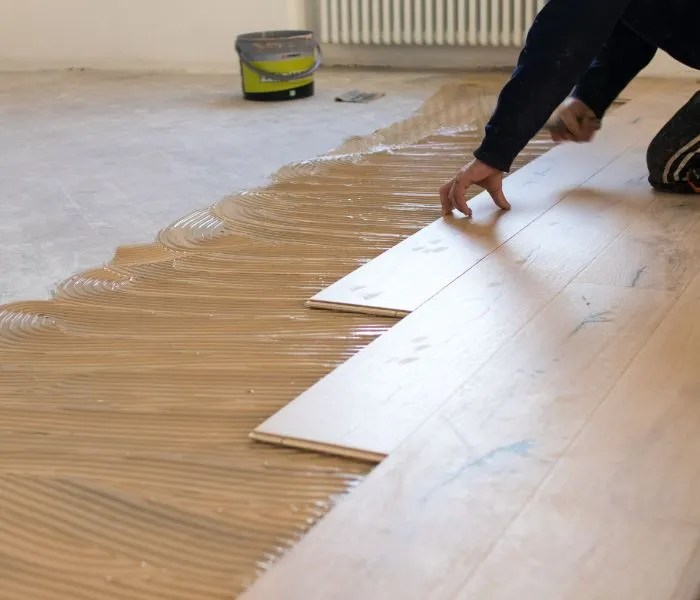
Building a flooring installation service requires a solid business plan, effective marketing strategies, and excellent customer service practices. By focusing on these key areas, you can establish a successful business that meets the needs of your clients while standing out in a competitive market.
Business Plan for Starting a Flooring Installation Service
A comprehensive business plan Artikels your vision and operational strategy for your flooring installation service. This plan should encompass several core components:
- Executive Summary: Provide an overview of your business, including your mission statement and the services you offer.
- Market Analysis: Research the local market, identifying potential competitors, target customers, and overall demand for flooring installation services.
- Services Offered: List the types of flooring installations you will provide, such as laminate, hardwood, tile, and carpet.
- Financial Projections: Create estimates for startup costs, revenue forecasts, and breakeven analysis to understand your financial landscape.
- Marketing Strategy: Define how you will attract and retain customers, which will be further detailed in the next section.
- Operational Plan: Artikel the daily operations, including staffing needs, equipment requirements, and logistics of service delivery.
A well-thought-out business plan serves as a roadmap, guiding your decisions and helping to secure financing if needed.
Marketing Strategies for Flooring Installation Companies
Implementing effective marketing strategies is essential for attracting clients and growing your flooring installation business. Here are some tailored approaches:
- Online Presence: Build a professional website that showcases your portfolio, services, and customer testimonials. Optimize it for search engines to increase visibility.
- Social Media Marketing: Utilize platforms like Instagram and Facebook to share project photos, customer experiences, and promotions. Engage with followers to build community.
- Local : Optimize your online profiles and website for local search terms. Claim your Google My Business listing to enhance local search visibility.
- Referral Programs: Encourage satisfied customers to refer friends and family by offering discounts or incentives for successful referrals.
- Networking: Connect with local contractors, interior designers, and real estate agents who can recommend your services to their clients.
These strategies can help establish a strong brand presence and drive business growth.
Customer Service Practices in the Flooring Industry
Providing exceptional customer service is crucial for building long-term relationships and ensuring client satisfaction in the flooring installation sector. Key practices include:
- Clear Communication: Maintain open lines of communication with clients throughout the project, from initial consultation to post-installation follow-up.
- Professionalism: Train your staff to be courteous, punctual, and knowledgeable, making the customer experience as pleasant as possible.
- Quality Assurance: Implement a quality control process to ensure all installations meet industry standards and customer expectations.
- Problem Resolution: Address any issues promptly and effectively, offering solutions that prioritize customer satisfaction.
- Follow-Up: After completing a project, follow up with clients to gather feedback and address any lingering concerns.
By focusing on these customer service practices, your flooring installation business can build a loyal client base and enhance its reputation in the industry.
Closing Summary
In summary, flooring installation is a dynamic field that offers ample opportunities for both DIY enthusiasts and aspiring professionals. By gaining a solid understanding of the installation process and the market landscape, you can successfully navigate this rewarding industry. Whether you’re looking to beautify your home or launch a flooring business, the possibilities are endless!
Answers to Common Questions
What are the most common flooring materials?
The most common flooring materials include hardwood, laminate, vinyl, tile, and carpet, each offering unique benefits and aesthetics.
How long does a typical flooring installation take?
The time required for installation varies by material and room size but generally ranges from a few hours to several days.
Do I need to hire a professional for flooring installation?
While some may choose to DIY, hiring a professional ensures quality installation, especially for complex materials.
What tools are essential for flooring installation?
Essential tools include a measuring tape, saw, flooring nailer or stapler, level, and utility knife, depending on the flooring type.
Can I install flooring over existing floors?
In many cases, yes! However, the existing floor must be in good condition, level, and compatible with the new flooring material.