Pest control is more than just a necessity; it’s a vital practice that helps protect our health and property. From pesky insects to larger rodents, understanding the various types of pests and their impacts is essential for effective management. This overview will take you through the methods of pest control, including chemical, biological, and cultural practices, while highlighting the significance of integrated pest management (IPM) strategies in achieving sustainable results.
By embracing these practices, we not only safeguard our homes but also contribute to a healthier environment. With numerous career opportunities in pest control, the industry is ripe for those looking to make a difference. A dive into the necessary skills, qualifications, and essential equipment will equip you with knowledge to better understand this vital field.
Understanding Pest Control
Pest control is an essential aspect of maintaining healthy living environments and protecting properties from damage. A wide range of pests can invade homes and businesses, impacting not only our physical space but also our health and well-being. Knowing how to deal with these unwelcome guests is crucial for everyone.Various types of pests pose different risks and challenges. Common pests include insects like cockroaches, ants, and termites, as well as rodents such as rats and mice.
These pests can spread diseases, contaminate food, and cause structural damage. For instance, termites are notorious for compromising the integrity of wooden structures, leading to costly repairs. Moreover, pests like mosquitoes and ticks can transmit harmful diseases to humans and pets, such as Lyme disease and West Nile virus.
Types of Pest Control Methods
Several methods are employed in pest control, each with its advantages and drawbacks. Understanding these methods can help in selecting the most effective approach for specific pest problems.Chemical methods involve the use of pesticides to eliminate pests. These substances can be highly effective but may also pose risks to human health and the environment if not used properly. It is essential to follow safety instructions and understand the potential impacts on non-target organisms.Biological methods utilize natural predators or parasites to control pest populations.
For instance, introducing ladybugs can help manage aphid infestations in gardens. This method promotes ecological balance, reducing the need for chemical interventions.Cultural practices focus on modifying the environment to make it less conducive to pest infestations. This could involve changes in landscaping, proper sanitation, and managing moisture levels, making spaces less attractive to pests.
Integrated Pest Management (IPM) Strategies
Integrated Pest Management (IPM) is a holistic approach that combines various pest control strategies to minimize risks associated with pesticides while effectively managing pest populations. The goal of IPM is to use the least harmful methods first, prioritizing prevention and monitoring.Key components of IPM include:
- Monitoring: Regularly inspecting areas for pest activity allows for early detection and management before infestations escalate.
- Identification: Correctly identifying pests ensures that the appropriate control methods are selected, as different pests require different approaches.
- Prevention: Implementing physical barriers, sanitation, and habitat modification can significantly reduce pest attraction and establishment.
- Threshold levels: Establishing action thresholds helps determine when pest populations warrant control measures, ensuring interventions only occur when necessary.
- Evaluation: Assessing the effectiveness of pest control measures is crucial. This aids in refining strategies and improving future management efforts.
The importance of IPM lies in its sustainability. By focusing on prevention and using a combination of methods, IPM minimizes environmental impact, reduces chemical dependency, and promotes long-term pest management solutions.
“Sustainable pest control is not just about eliminating pests; it’s about managing our environment for the long term.”
Employment and Work in Pest Control
The pest control industry offers a variety of career paths, making it an attractive choice for those interested in environmental science, biology, or public health. With the increasing need for efficient pest management solutions, professionals are in demand, ensuring a robust job market. Understanding the available opportunities, required skills, and necessary certifications is crucial for anyone considering a career in this field.
Career Opportunities in Pest Control
The pest control sector encompasses several roles, each with its own responsibilities and specializations. Here are some of the main career opportunities available:
- Pest Control Technician: Responsible for inspecting properties, identifying pest issues, and applying treatment solutions.
- Pest Control Manager: Oversees technicians, manages client relationships, and ensures compliance with regulations.
- Entomologist: Studies insect behavior and biology to develop effective pest management strategies.
- Sales Representative: Focuses on selling pest control services and building relationships with clients.
- Regulatory Compliance Officer: Ensures that pest control operations adhere to local and national safety and environmental regulations.
These roles cater to various interests and skill sets, from hands-on technical work to research and management positions.
Skills and Qualifications for Pest Control Professionals
To succeed in the pest control field, individuals should possess a combination of technical and interpersonal skills. Some essential qualifications include:
- Technical Proficiency: Understanding pest biology, pesticide application methods, and safety protocols.
- Problem-Solving Skills: Ability to quickly identify problems and implement effective solutions.
- Communication Skills: Effectively interacting with clients and explaining treatment plans or prevention strategies.
- Attention to Detail: Careful observation of signs of pest infestations and adherence to safety guidelines.
- Physical Fitness: The ability to perform tasks that may involve lifting, climbing, or working in tight spaces.
These skills help ensure that pest control professionals can effectively address pest issues while maintaining safety and client satisfaction.
Training and Certifications for Pest Control Professionals
Training and certifications play a crucial role in preparing individuals for careers in pest control. Many states require pest control technicians to be licensed, which typically involves completing a training program and passing an exam. Here’s a brief overview of the training and certification process:
- Formal Education: While a high school diploma is often sufficient, degrees in biology, environmental science, or related fields can be beneficial.
- On-the-Job Training: Most technicians receive hands-on training, usually under the guidance of experienced professionals.
- Certification Programs: Various associations offer certification programs that enhance knowledge and skills, such as the National Pest Management Association (NPMA).
- Continuing Education: Many states require ongoing education to maintain licensure, ensuring professionals stay updated on best practices and new regulations.
Investing in training and obtaining certifications can significantly improve job prospects and career advancement opportunities within the pest control industry.
Pest Control Equipment and Supplies
Pest control is a vital service that ensures homes and businesses remain free from unwanted pests. To effectively carry out this task, pest control professionals rely on a variety of specialized tools and equipment. Understanding these essentials can greatly enhance the effectiveness of pest management strategies.The equipment used in pest control services ranges from basic tools to advanced machinery, each serving a specific purpose.
Essential tools include sprayers, traps, baits, and protective gear. These tools enable professionals to apply treatments effectively while ensuring their safety and that of their clients. Knowledge of the correct tools and how to use them is crucial for success in this industry.
Essential Tools and Equipment Used in Pest Control
A variety of tools and equipment are indispensable for pest control services. Here are some of the most common tools:
- Sprayers: These are used to apply pesticides and other chemicals in a controlled manner. They come in various types, including handheld, backpack, and truck-mounted sprayers.
- Traps: Used to capture pests, traps can be live or lethal. Common types include sticky traps, snap traps, and electronic traps.
- Baits: These are often used to attract and eliminate pests. They can come in various forms such as granules, gels, or pellets, depending on the targeted pest.
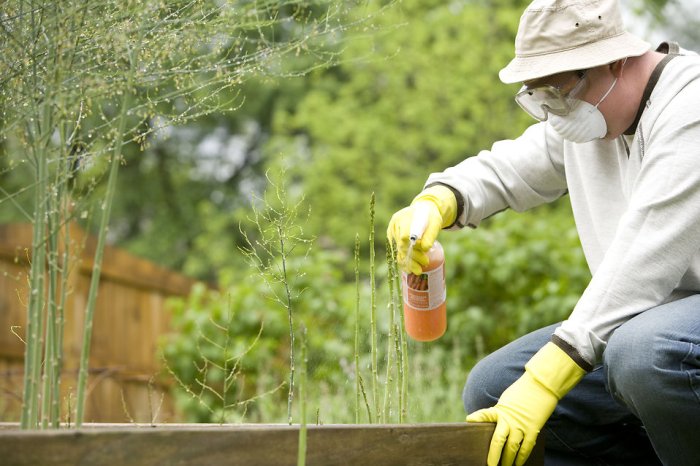
- Protective Gear: Safety is paramount in pest control. Professionals should wear gloves, masks, goggles, and coveralls to protect themselves from chemicals and pests.
- Inspection Tools: Tools such as flashlights, mirrors, and moisture meters are essential for identifying pest infestations and assessing the environment.
Types of Chemicals and Pesticides Used in the Industry
Pest control relies heavily on chemicals and pesticides, which must be handled with care to ensure safety and effectiveness. The types of chemicals used can vary based on the pest being targeted as well as the environment in which they are applied. Common categories of pesticides include:
- Insecticides: These are used to control insect pests and come in various forms, such as sprays, granules, or liquids.
- Herbicides: Though primarily used for weeds, herbicides can also play a role in pest control by eliminating unwanted vegetation that can harbor pests.
- Rodenticides: These are specifically designed to eliminate rodents and are often formulated as baits.
- Fungicides: Used to combat fungal infections in plants, some fungicides can help prevent pest infestations related to plant health.
Proper handling and application of these chemicals are critical. Professionals should follow manufacturer guidelines and regulations to minimize risks. This includes wearing appropriate protective equipment during application, ensuring proper ventilation, and adhering to local environmental regulations.
Suppliers and Manufacturers of Pest Control Products and Equipment
Having reliable suppliers is essential for pest control professionals to maintain a steady inventory of tools and chemicals. Below is a list of notable suppliers and manufacturers in the pest control industry:
- BASF: A leading global supplier of pest control products, offering a range of pesticides and formulations.
- Syngenta: Known for its innovative pest control solutions, Syngenta provides a variety of insecticides and herbicides.
- Rentokil: A well-known pest control service provider also supplies a range of tools and products for pest management.
- Target Specialty Products: This company offers a wide range of pest control products, including insecticides and rodenticides.
- The Pest Control Superstore: An online marketplace for pest control equipment and supplies from various manufacturers.
End of Discussion
In conclusion, pest control is a multifaceted field that combines science, safety, and sustainability. Whether you’re a homeowner looking to protect your space or a professional seeking to build a career in pest management, understanding the tools, techniques, and importance of effective pest control can lead to a healthier and pest-free environment. Let’s take the knowledge we’ve gained and apply it for a better living space!
FAQ Overview
What are the most common pests found in homes?
The most common pests include ants, cockroaches, mice, termites, and bedbugs. Each of these can cause significant damage or health issues if not controlled.
How often should I have my home treated for pests?
It typically depends on the type of pests and your location, but a regular inspection every 3-6 months is often recommended to prevent infestations.
Are there eco-friendly pest control options?
Yes, there are many eco-friendly pest control methods that utilize natural repellents and biological control methods to manage pests without harmful chemicals.
What qualifications do I need to become a pest control professional?
Qualifications vary by location, but generally, a high school diploma, specialized training, and state certification or licensing are required.
Can I handle pest control on my own?
While some minor pest issues can be managed with DIY methods, more serious infestations are best handled by professionals to ensure safety and effectiveness.