Let’s dive into the world of HVAC repair, where understanding your heating, ventilation, and air conditioning systems can save you time, money, and headaches. Whether you’re a homeowner trying to troubleshoot a pesky issue or someone interested in making a career out of it, there’s plenty to uncover in this field.
This guide covers everything from common HVAC problems and how to fix them, to the career opportunities available in the HVAC repair industry. We’ll also explore how to start your own HVAC repair business and market it effectively, ensuring you have a thorough understanding of what it takes to succeed.
HVAC Repair Fundamentals
HVAC (Heating, Ventilation, and Air Conditioning) systems are crucial for maintaining a comfortable indoor environment. Understanding the common issues that arise, the key components involved, and basic troubleshooting procedures can empower homeowners and technicians alike to handle repairs more effectively.Common issues in HVAC systems can manifest in various ways, often signaling underlying problems. These can include inconsistent temperatures, strange noises, and poor airflow.
Recognizing the symptoms is the first step in addressing these issues, which can range from simple fixes to more complex repairs.
Common HVAC Issues and Symptoms
It’s essential to identify these common problems as they can significantly affect the performance and efficiency of the HVAC system. Here are several prevalent issues and their corresponding symptoms:
- Refrigerant leaks: Notable drop in cooling efficiency, ice buildup on the evaporator coils.
- Dirty filters: Reduced airflow, increased energy bills, and frequent cycling of the system.
- Faulty thermostat: Inconsistent temperatures, system not turning on or off at the correct times.
- Clogged drain line: Water pooling around the furnace or air handler, potential water damage.
- Electrical issues: Frequent tripped circuit breakers, unusual noises, and burning smells.
Key Components of an HVAC System
Understanding the key components of an HVAC system is critical for effective repairs. Each part plays a specific role and contributes to the overall functionality of the system. Here is a breakdown of the main components:
- Thermostat: The control center that monitors and regulates temperature settings.
- Compressor: The heart of a cooling system, compressing refrigerant gas for circulation.
- Evaporator coil: Absorbs heat from indoor air, facilitating cooling.
- Condenser coil: Releases absorbed heat outside, often located in the outdoor unit.
- Furnace: Provides heating by distributing warm air throughout the home.
- Air ducts: Pathways that carry heated or cooled air to different rooms.
Basic HVAC Troubleshooting Procedures
Following a systematic troubleshooting approach can help diagnose and potentially resolve common HVAC problems. Here’s a step-by-step guide:
- Check the thermostat settings: Ensure the thermostat is set to the desired temperature and is functioning properly.
- Inspect the air filter: Remove and replace or clean the filter if it is dirty, as this can restrict airflow.
- Examine the circuit breakers: Reset any tripped breakers linked to the HVAC system to restore power.
- Look for visible leaks: Check for refrigerant leaks around the coils and connections; if found, call a professional.
- Assess airflow: Ensure vents are unobstructed and check for any unusual noises that could indicate mechanical issues.
Regular maintenance and prompt attention to symptoms can prolong the lifespan of your HVAC system and enhance its efficiency.
With these fundamentals in mind, homeowners and technicians can better navigate the complexities of HVAC repair and maintenance.
Employment Opportunities in HVAC Repair
The HVAC repair industry presents a wealth of employment opportunities, ranging from entry-level positions to specialized roles. With the growing demand for climate control systems in residential and commercial spaces, skilled technicians are increasingly sought after. This sector offers a variety of paths for individuals looking to build a rewarding career, each accompanied by specific qualifications and training requirements.
Job Roles in HVAC Repair
The array of job roles available in the HVAC repair industry varies significantly, catering to different skill sets and experience levels. Here are some common positions along with the qualifications that may be required:
- HVAC Technician: Typically requires a high school diploma and completion of an HVAC training program. Technical skills are essential, with many technicians obtaining certification through organizations such as the Environmental Protection Agency (EPA).
- Service Manager: This role often requires several years of experience in HVAC repair and management skills. A background in project management or a related field can be beneficial.
- Sales Engineer: Usually requires a degree in engineering or a related field, along with strong interpersonal skills for client interactions. Knowledge of HVAC systems and market trends is crucial.
- Installation Technician: Requires training in HVAC installation techniques, which can be gained through apprenticeships or vocational schools. Certification from recognized entities may enhance job prospects.
- Energy Auditor: Often requires specialized training in energy efficiency and building science. Certifications like the Building Performance Institute (BPI) can improve credibility in this role.
Training Programs and Certification Courses
To succeed in the HVAC repair field, pursuing relevant training programs and certifications is important. These educational pathways equip individuals with the necessary skills and knowledge to excel:
- Trade Schools and Community Colleges: Many offer HVAC programs that combine theoretical knowledge with hands-on training. These programs typically last from 6 months to 2 years.
- Apprenticeships: These programs allow aspiring technicians to work under experienced professionals while receiving classroom instruction. They typically last about 3 to 5 years.
- Certification Programs: Organizations such as North American Technician Excellence (NATE) and HVAC Excellence offer certifications that validate a technician’s skills and knowledge in the field.
- Online Courses: Various platforms provide online HVAC courses covering subjects like refrigerant handling and system diagnostics, making it easier for individuals to learn at their own pace.
Future Job Market Trends in HVAC
The HVAC sector is anticipated to experience significant growth in the coming years, largely driven by technological advancements and the increasing focus on energy efficiency. Employment trends suggest a robust job market for new entrants, with several factors influencing demand:
- Adoption of Green Technologies: With an emphasis on sustainability, the need for professionals skilled in energy-efficient systems and renewable energy sources is rising.
- Smart HVAC Systems: The integration of smart technology in HVAC systems requires technicians to be proficient in newer technologies, expanding the types of skills in demand.
- Regulatory Changes: New environmental regulations are expected to create job opportunities for HVAC professionals who can ensure compliance with updated standards.
- Aging Infrastructure: As older HVAC systems require replacement or upgrading, there’s an increasing need for skilled technicians to handle these projects.
“The HVAC industry is on the cusp of a technological revolution, requiring a workforce that is well-prepared to adapt and innovate.”
HVAC Repair and Business Development
Starting an HVAC repair business requires careful planning and attention to detail. This sector is not only about technical skills; it’s also about understanding the business landscape and effectively reaching your target customers. With the right strategies and resources, you can establish a successful HVAC repair service.
Strategies for Starting an HVAC Repair Business
Developing a solid business plan is crucial for the success of your HVAC repair business. The plan should Artikel your business goals, target market, and financial projections.
- Market Research: Understand the local HVAC market by analyzing competitors and identifying service gaps that your business can fill.
- Business Structure: Decide whether you’ll operate as a sole proprietorship, partnership, or limited liability company (LLC), each having its own benefits and liabilities.
- Licensing and Certification: Ensure you have the necessary licenses and certifications required in your region, as it builds credibility and trust with customers.
- Financial Projections: Create realistic financial forecasts that include startup costs, overhead, and expected revenue, which can help in securing funding if needed.
Necessary Equipment and Tools for an HVAC Repair Service
Equipping your HVAC repair service with the right tools is essential for efficiency and effectiveness. Here’s a list of common tools and their approximate costs:
- Basic Tools: Wrenches, screwdrivers, and pliers are essential for any HVAC technician. Estimated cost: $200 – $500.
- Diagnostic Tools: Equipment like multimeters and refrigerant gauges help in troubleshooting issues. Estimated cost: $300 – $800.
- Specialized Tools: Items such as duct cleaning equipment and vacuum pumps enhance service offerings. Estimated cost: $1,000 – $2,500.
- Safety Gear: Personal protective equipment including gloves, goggles, and respirators are necessary. Estimated cost: $100 – $300.
Marketing Plan for HVAC Repair Business
A tailored marketing plan is vital for promoting your HVAC repair business and reaching potential customers through various channels. Implementing a multi-faceted approach can maximize your visibility.
- Online Presence: Create a professional website that showcases services and customer testimonials. Invest in search engine optimization () to increase online visibility.
- Social Media Marketing: Leverage social media platforms like Facebook and Instagram to engage with the community and share tips related to HVAC maintenance.
- Local and Google My Business: Claim and optimize your Google My Business listing to appear in local searches and attract nearby customers.
- Referral Programs: Encourage satisfied customers to refer friends and family by offering discounts or incentives, creating word-of-mouth promotion.
“A well-planned marketing strategy can significantly enhance customer acquisition and retention in the HVAC repair industry.”
Investing time and effort into these strategies, tools, and marketing plans will set a strong foundation for your HVAC repair business and pave the way for long-term success.
Epilogue
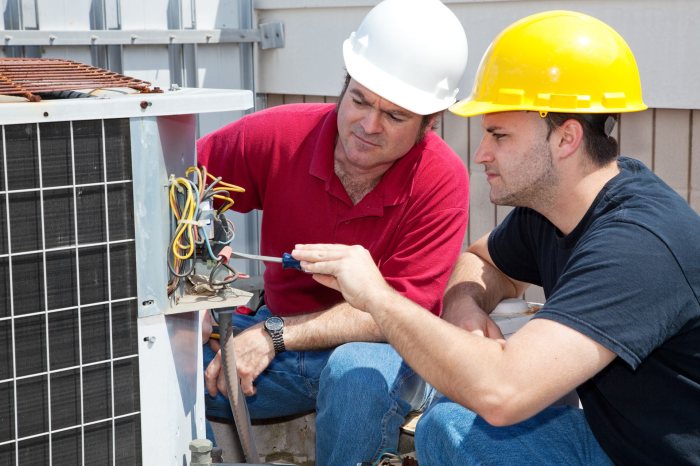
In summary, whether you’re looking to fix your HVAC system, start a career in this vital industry, or launch your own business, there’s a wealth of knowledge at your fingertips. Understanding the fundamentals, pursuing the right training, and developing solid business strategies can make all the difference in your HVAC journey.
FAQ Section
What are some signs my HVAC system needs repair?
Common signs include inconsistent temperatures, strange noises, and an increase in energy bills.
How often should I have my HVAC system serviced?
It’s recommended to service your HVAC system at least once a year to keep it running efficiently.
Can I perform HVAC repairs myself?
While some minor repairs can be DIY, it’s best to consult a professional for complex issues to avoid safety risks.
What qualifications do I need to work in HVAC repair?
Typically, a high school diploma and technical training or an apprenticeship are required, along with relevant certifications.
What tools are essential for HVAC repair?
Essential tools include multimeters, refrigerant gauges, wrenches, and screwdrivers.