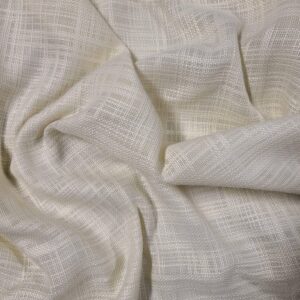
Eco-Friendly Fibers are changing the game in the textile industry, offering a fresh and sustainable alternative to conventional materials. This shift not only helps in preserving our environment but also opens up exciting opportunities for innovation and job creation. Imagine wearing clothes made from materials that are not only stylish but also kind to our planet!
From organic cotton to hemp and bamboo, eco-friendly fibers come from renewable sources that reduce the carbon footprint and promote biodiversity. By choosing these sustainable options, consumers contribute to a healthier Earth while supporting ethical practices in production. The benefits extend beyond the material itself, impacting jobs and business opportunities in various sectors, paving the way for a greener future in textiles.
Eco-Friendly Fibers Overview
Eco-friendly fibers are becoming increasingly significant in the textile industry as consumers and manufacturers alike are prioritizing sustainability. The shift toward these fibers reflects a growing awareness of environmental issues and a desire to reduce the ecological footprint of clothing production and consumption. By choosing eco-friendly fibers, the industry aims to create a more sustainable future while still meeting the ever-evolving fashion demands.The environmental benefits of using sustainable fibers over conventional materials are profound.
For instance, eco-friendly fibers often require less water and energy during production and use biodegradable processes that reduce pollution and waste. These materials not only help to conserve natural resources but also contribute to less harmful chemical usage and lower carbon emissions, making them an essential choice for environmentally conscious consumers and brands. The use of such fibers can significantly decrease the negative impact of the textile industry, which is traditionally one of the most pollutive sectors globally.
Common Eco-Friendly Fibers and Their Sources
Several eco-friendly fibers are increasingly popular for their sustainability and minimal environmental impact. Each fiber has unique properties, sourcing methods, and benefits that contribute to a more responsible textile industry. Here are some notable examples:
- Organic Cotton: Grown without harmful pesticides and fertilizers, organic cotton is cultivated using methods that replenish and maintain soil fertility. This not only reduces the chemical runoff that can contaminate waterways but also supports biodiversity in farming ecosystems.
- Bamboo: Bamboo fibers are derived from the fast-growing bamboo plant, which requires minimal water and no pesticides. The production process can be eco-friendly when using mechanical methods instead of harmful chemicals, leading to a soft and biodegradable textile.
- Hemp: Hemp is a highly sustainable plant that grows quickly, requires little water, and can thrive without pesticides. The fibers extracted from hemp are durable and naturally resistant to mold and UV light, making them an excellent choice for textiles.
- Linen: Made from the flax plant, linen is another sustainable fiber that requires fewer resources than cotton. The flax plant consumes less water and is often grown with fewer chemicals, while the linen production process is less energy-intensive.
- Tencel (Lyocell): Tencel is produced from sustainably sourced wood pulp, often from eucalyptus trees. The closed-loop production process recycles water and solvents, minimizing waste and making it an environmentally friendly option.
“The textile industry is at a critical juncture, and the adoption of eco-friendly fibers represents a necessary shift towards sustainability.”
Eco-Friendly Fibers in Employment and Work

The eco-friendly fibers sector is not just about sustainable materials; it also presents a wealth of job opportunities across various industries. As consumers increasingly demand ethical and sustainable products, this burgeoning field creates a ripple effect in employment, leading to diverse roles that span from production to marketing. The transition to eco-friendly textiles is reshaping the job market, offering prospects for skilled individuals eager to contribute to a greener economy.The skills and qualifications needed for careers in eco-friendly textiles often overlap with traditional textile roles but include additional expertise in sustainability practices.
Professionals in this sector are increasingly required to understand the environmental impact of production processes and consumer behavior, making knowledge of sustainable practices essential.
Job Opportunities in Eco-Friendly Textiles
The eco-friendly fibers sector has generated numerous job opportunities across different fields. Key areas of employment include:
- Manufacturing and Production: Positions in this area focus on creating sustainable fabrics from organic materials such as organic cotton, hemp, and bamboo.
- Research and Development: Experts in this sector work on innovating new eco-friendly materials, improving production processes, and reducing waste.
- Quality Control: Professionals ensure that products meet sustainability standards and regulations, overseeing the entire production process.
- Sales and Marketing: Marketers play a crucial role in promoting eco-friendly products, requiring an understanding of market trends and consumer preferences.
- Consulting: Sustainability consultants advise companies on best practices, helping them transition to more eco-friendly processes.
- Fashion Design: Designers are increasingly focusing on creating garments that utilize sustainable materials and ethical production processes.
The rapidly evolving nature of this market means that roles are constantly being introduced. For instance, the rise of online retail has opened positions for digital marketing specialists who can effectively communicate the value of eco-friendly products.
Skills and Qualifications for Careers in Eco-Friendly Fibers
To thrive in the eco-friendly fibers sector, certain skills and qualifications are essential. Understanding sustainable practices is a priority, as well as possessing the ability to analyze and adapt to the market’s needs. Key skills include:
- Knowledge of Sustainability: Familiarity with sustainable materials and practices is crucial. This includes understanding certifications like GOTS (Global Organic Textile Standard) and OEKO-TEX.
- Technical Skills: Proficiency in textile technology, fabric construction, and knowledge of eco-friendly production methods are required for many roles.
- Analytical Thinking: Being able to assess market trends, consumer behavior, and the environmental impact of production is key for research and development roles.
- Creativity: Essential for design roles, creativity helps in developing innovative products that appeal to eco-conscious consumers.
- Communication Skills: Effectively conveying the importance of sustainability and the benefits of eco-friendly products is vital for marketing and sales positions.
Educational backgrounds in fashion design, textile science, environmental science, or business with a focus on sustainability can be highly advantageous.
Impact of Sustainable Production Methods on Job Markets
The shift towards sustainable production methods is significantly impacting job markets in textiles and nonwovens. Sustainable practices lead to more efficient resource use, which can create cost savings and open new roles.
“The transition to sustainable production not only reduces environmental impact but also drives innovation and job creation within the industry.”
As companies adopt sustainable practices, they often need to retrain existing employees, creating opportunities for professional development. Furthermore, demand for eco-friendly products is driving growth in the sector, leading to increased hiring in areas such as logistics and supply chain management, which support the distribution of sustainable textiles.In summary, the eco-friendly fibers sector is reshaping the employment landscape, providing diverse job opportunities that align with a growing emphasis on sustainability and innovation.
The future of work in this industry looks promising, with an increasing need for skilled professionals ready to contribute to a more sustainable world.
Business Creation and Development in Eco-Friendly Textiles
Starting a business in eco-friendly textiles is not only a trend but a necessity in today’s conscious consumer market. With growing awareness about environmental issues, entrepreneurs have the opportunity to create sustainable solutions that resonate with consumers and contribute positively to the planet. This guide will walk you through the essential steps to establish a business that focuses on eco-friendly fibers, along with effective marketing strategies and a sustainable business model.
Step-by-Step Guide to Starting an Eco-Friendly Textile Business
Creating a sustainable textile business requires careful planning and execution. Here’s a structured approach to guide you through the process:
- Research Your Market: Understand your consumer base and the demand for eco-friendly products. Analyze competitors and identify gaps in the market that your business can fill.
- Define Your Niche: Focus on a specific area within eco-friendly textiles, such as organic cotton apparel, recycled polyester footwear, or biodegradable materials. This helps in tailoring your branding and marketing efforts effectively.
- Develop a Business Plan: Artikel your business goals, strategies, funding needs, and operational plans. Ensure your plan emphasizes your commitment to sustainability.
- Source Sustainable Materials: Establish partnerships with suppliers who provide eco-friendly fibers. Consider certifications like GOTS (Global Organic Textile Standard) for organic materials or OEKO-TEX for non-toxic textiles.
- Create Prototypes: Design and produce sample products using the sustainable materials you’ve sourced. Test them for quality and performance.
- Launch Your Brand: Develop branding that reflects your eco-friendly values. This includes your logo, packaging, and overall aesthetic to resonate with your target audience.
- Set Up Online and Physical Presence: Create an e-commerce website and consider local markets or pop-up shops to reach customers directly.
- Engage in Marketing and Promotion: Utilize both digital and traditional marketing strategies to raise awareness of your products and brand.
Marketing Strategies for Sustainable Textile Products
Effective marketing is crucial for the success of an eco-friendly textile business. Here are some strategies that can help:
Leverage Social Media
Use platforms like Instagram and Pinterest to showcase visually appealing content of your products. Highlight their sustainable features and the story behind their creation.
Content Marketing
Create valuable content that educates consumers about the importance of sustainability in textiles. This could include informative blogs, videos, and infographics.
Collaborate with Influencers
Partner with eco-conscious influencers to reach a wider audience. Their endorsements can significantly enhance your brand visibility and credibility.
Participate in Trade Shows
Attend eco-friendly and textile trade shows to network and showcase your products. This can help in building connections and gaining feedback.
Implement Loyalty Programs
Encourage repeat purchases by offering loyalty programs. This not only rewards customers but also fosters a sense of community around your brand.
“Marketing sustainable products is not just about selling; it’s about educating consumers and building a movement toward responsible consumption.”
Designing a Sustainable Business Model
A strong business model is essential for integrating eco-friendly principles into your operations. Consider the following elements:
Sustainable Supply Chain
Ensure that every step of your supply chain is environmentally responsible, from sourcing raw materials to manufacturing and distribution. Work with suppliers who prioritize sustainability.
Ethical Production Practices
Adopt fair labor practices and ensure that workers involved in the production process are treated with respect and compensated fairly.
Transparency
Be open about your production processes and supply chain. Consumers appreciate brands that provide clear information about where their products come from and how they are made.
Circular Economy Principles
Design products that can be recycled or repurposed at the end of their life cycle. Consider take-back programs where customers can return old items for recycling or upcycling.
Focus on Quality over Quantity
Emphasize the durability and longevity of your products. Encouraging consumers to invest in fewer, high-quality items aligns with sustainable consumption habits.By following these steps and strategies, you can establish a successful business that not only thrives in the market but also contributes positively to the environment and society at large.
Closing Summary

In summary, Eco-Friendly Fibers represent more than just a trend; they signify a crucial step towards sustainable living. As we become more aware of our choices, the demand for these fibers is likely to grow, leading to increased employment and innovative business ideas. Embracing eco-friendly textiles means not only dressing in style but also making a meaningful impact on our world.
FAQs
What are eco-friendly fibers?
Eco-friendly fibers are materials derived from sustainable resources that minimize environmental impact, such as organic cotton, hemp, and Tencel.
Why should I choose eco-friendly fibers?
Choosing eco-friendly fibers helps reduce pollution, conserves water, and supports ethical labor practices, contributing to a healthier planet.
Are eco-friendly fibers more expensive?
While they can be pricier upfront, eco-friendly fibers often save money in the long run due to their durability and lower environmental costs.
Can I find eco-friendly fibers in mainstream stores?
Yes, many mainstream retailers now offer eco-friendly clothing lines as consumer demand grows for sustainable products.
How do eco-friendly fibers benefit the economy?
They create new job opportunities in sustainable production and promote innovation in the textile industry.